Camino de Santiago was my first real challenge after my time in Canada and the shorter hikes I had done there. At that point, I was thinking – okay, maybe I can actually give this a shot. Maybe I can do something longer, something like a month, and see how my body holds up.
That was the plan.
But I didn’t want to do it as a complete gringo. So I spent nine months in Copenhagen learning Spanish – not perfectly, but enough to get by. Then I went to Spain, volunteered for a month at a surfing hostel, traveled a bit, and slowly got into it. And then, at the beginning of August 2019, I started the Camino de Santiago – the Northern route.
So I started in a small town called Irún. I went straight to the albergue – the typical hostel where Camino hikers begin and it was packed. That’s when it hit me: alright, this is going to be a very different kind of experience.
It almost felt like a summer camp. People everywhere, backpacks, that shared nervous energy before starting something. And at the same time, I already knew what was coming – a lot of snoring. Plenty of people in their 40s and 50s… yeah, sleep was not going to be great.
First look at the glamorous camino life
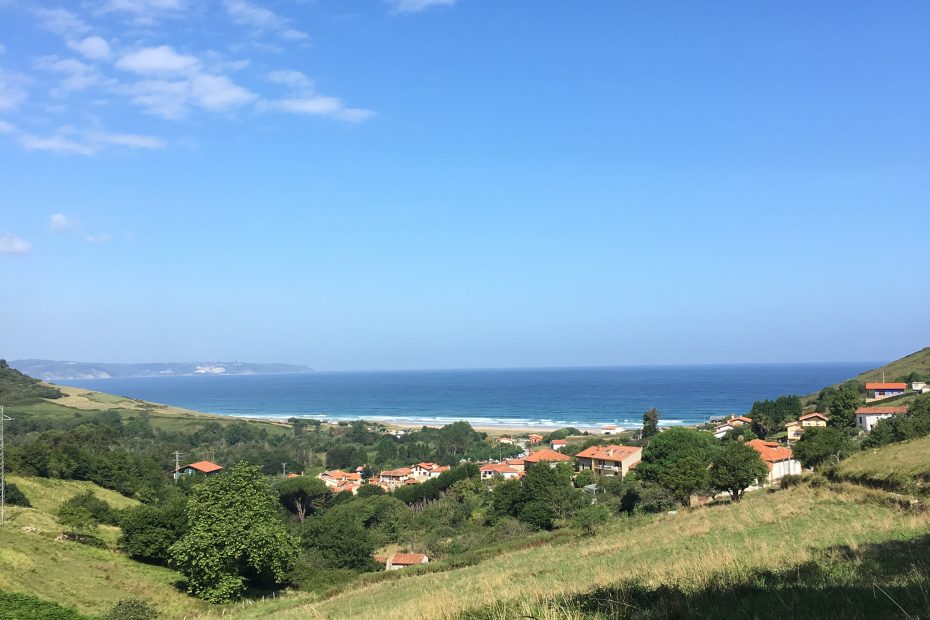
The Basque Country
I started in the Basque Country and pretty quickly met a few people who were beginning on the same day and had a similar plan. It didn’t take long to fall into that Camino rhythm of just talking to whoever’s around you.
There was this one guy, I don’t even remember his name but he was from Austria. He was doing the Camino… from Austria. Walking all the way from Vienna. For him, this was already day 75. That honestly blew my mind. The idea that someone could just keep going like that, day after day, for so long, it felt completely new to me.
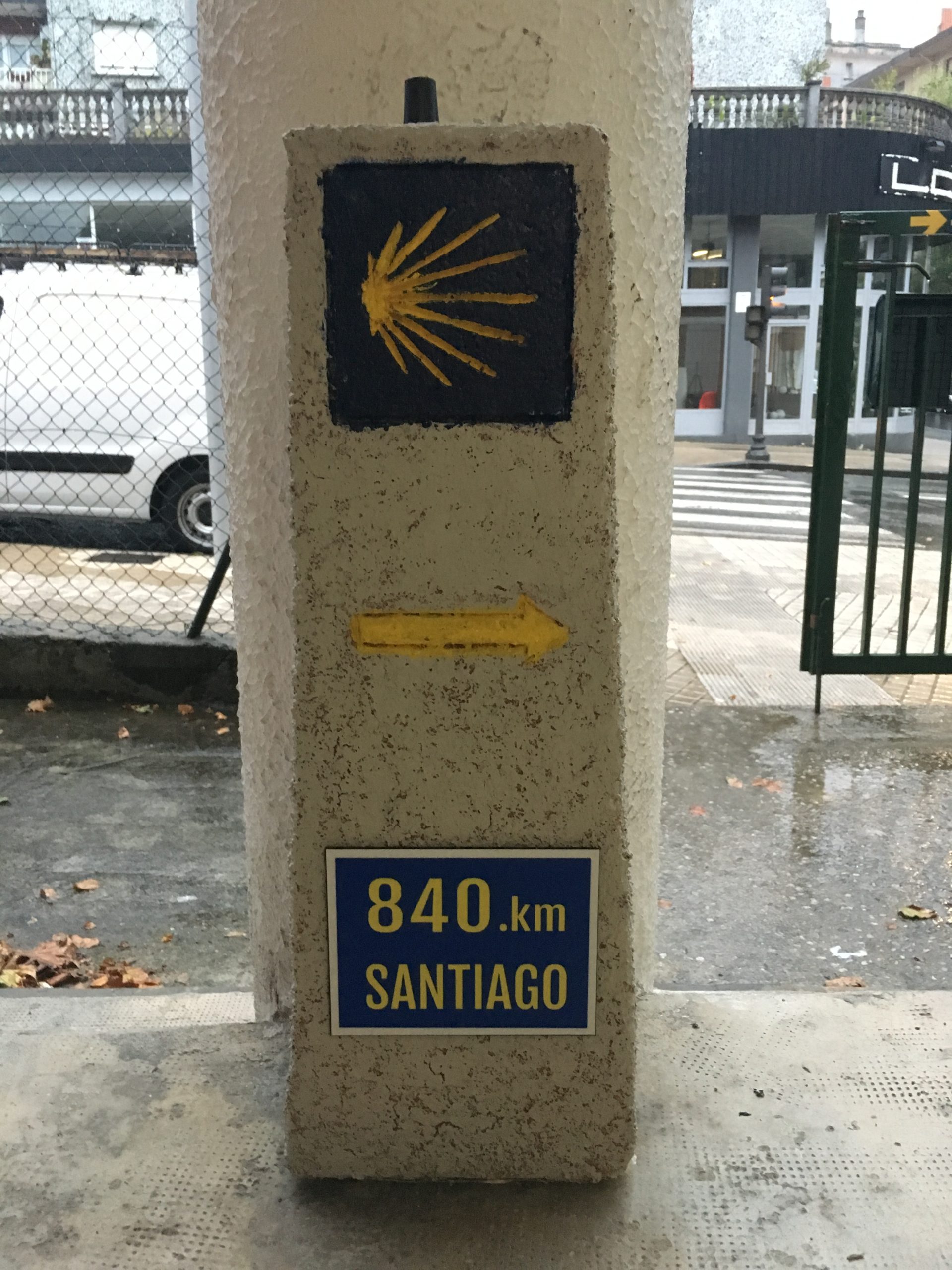
Santiago de Compostela was ways ahead
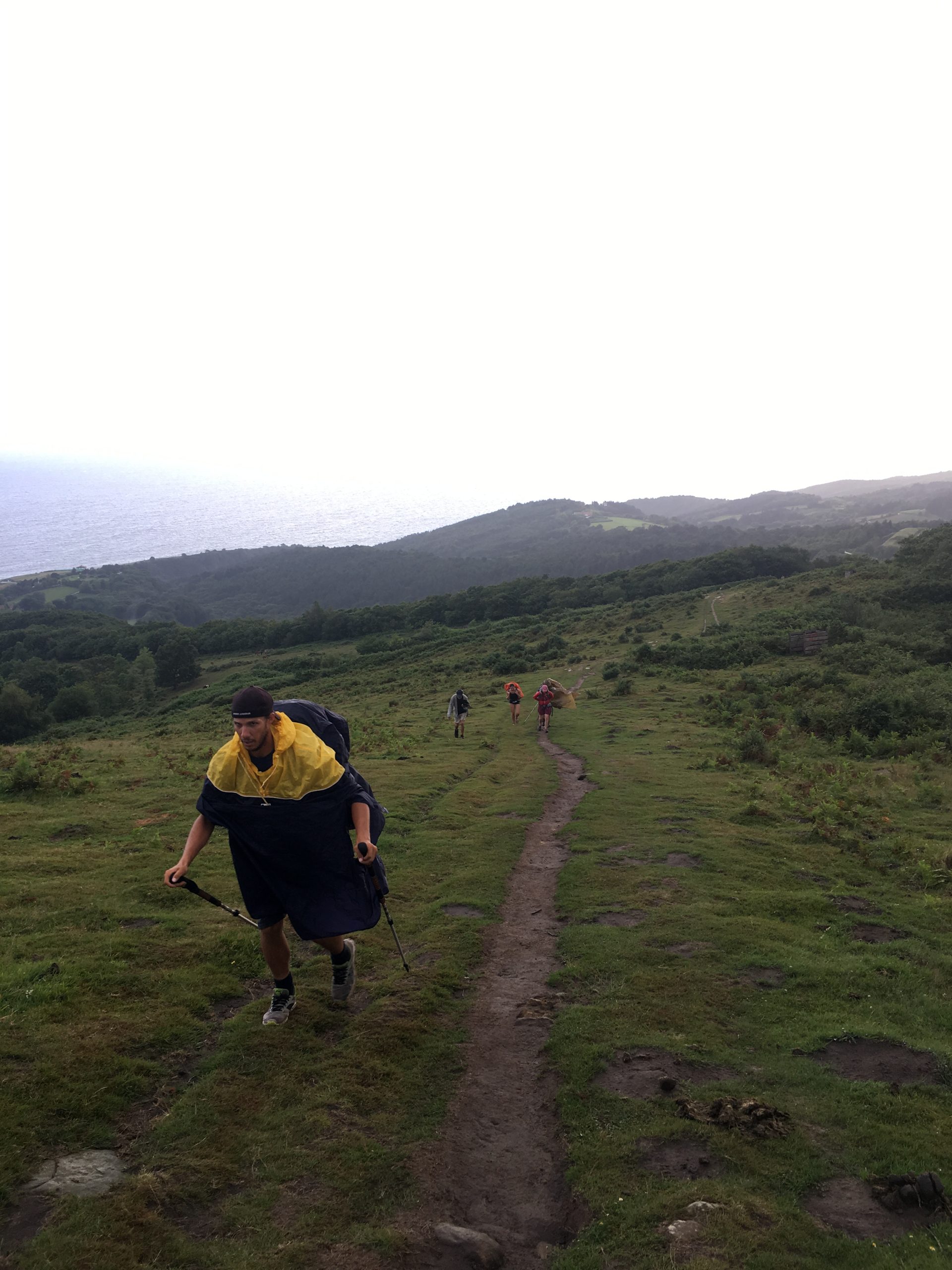
Of course, it rained on day 1
On day one, there were maybe five or six of us who naturally stuck together. We made it to San Sebastián, and already people were having issues which was kind of funny, considering it was literally day one. Someone had blisters, someone was hiking in sandals… so I was just happy I wasn’t one of them. San Sebastián was completely packed, so we didn’t even bother trying to stay. We (me and the Austrian) just kept moving. And that’s kind of how it started, I began doing 40 km days right from the beginning. No idea about the exact elevation, but probably somewhere around 800 to 1,000 meters per day for those first few days.
I had actually spent a solid 10–15 hours researching shoes beforehand, and ended up going with Hoka Torrents. I really, really liked them and that’s basically where my Hoka phase started.
Easing into the Camino
Although it was very physically demanding, I really enjoyed those first days. I started feeling a kind of physical challenge I hadn’t felt in a while, maybe even ever, and that was exciting. Life was simple. You wake up, eat, walk. If you stayed in an albergue close to a supermarket, you’d buy some food, cook something, maybe grab a bottle of wine, and that was your evening. You never really knew where you were going to sleep, you just figured it out as the day went on.
Technically wild camping in Spain is not allowed, I did not have a tent so I had to look for a place to stay inside. And if you go for albergues and you’re not picky, you will find something. I did it in August, peak season, and still only had a few situations where it was tricky. Worst case, you just keep walking to the next town. The trail provides!
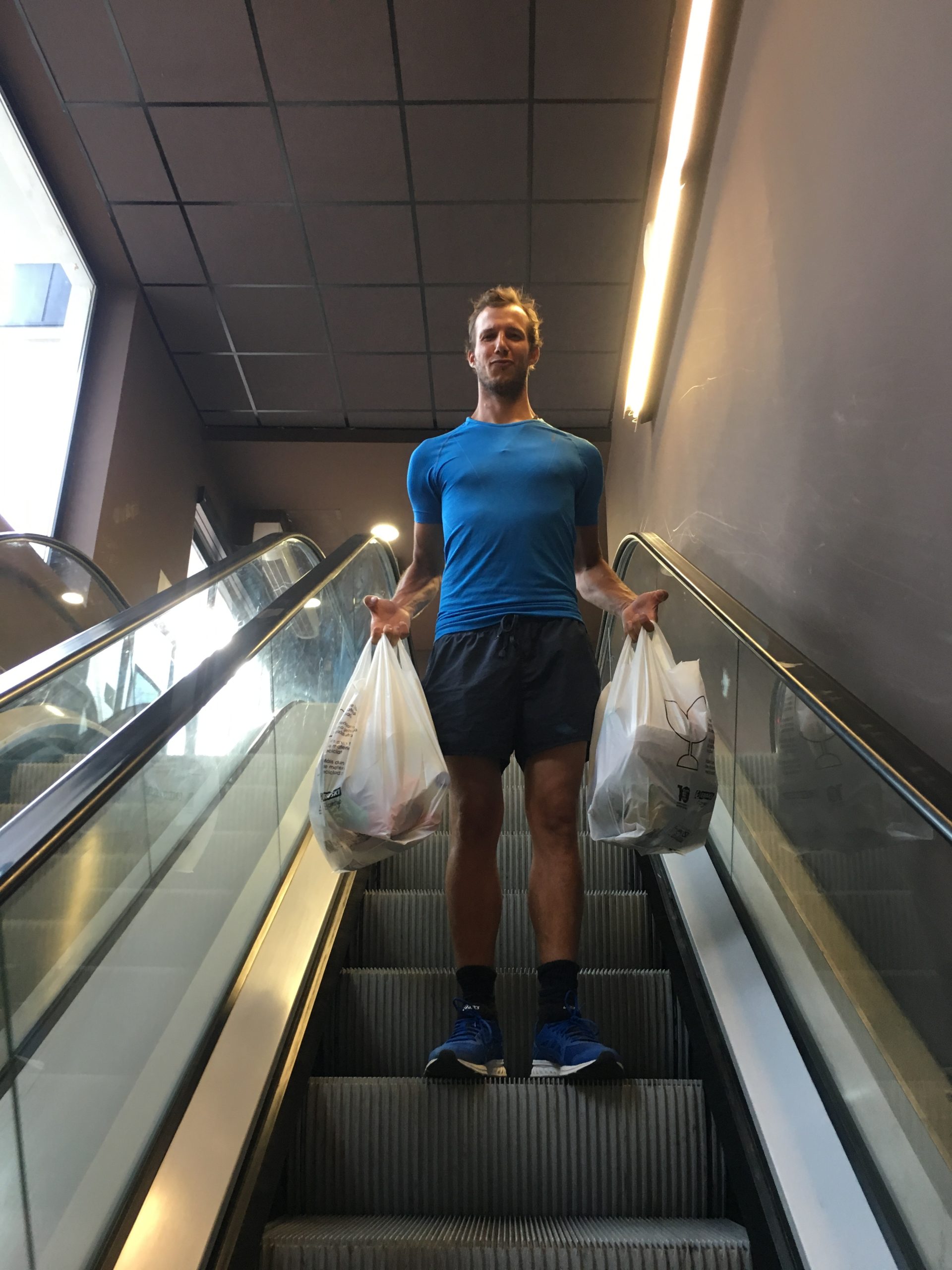
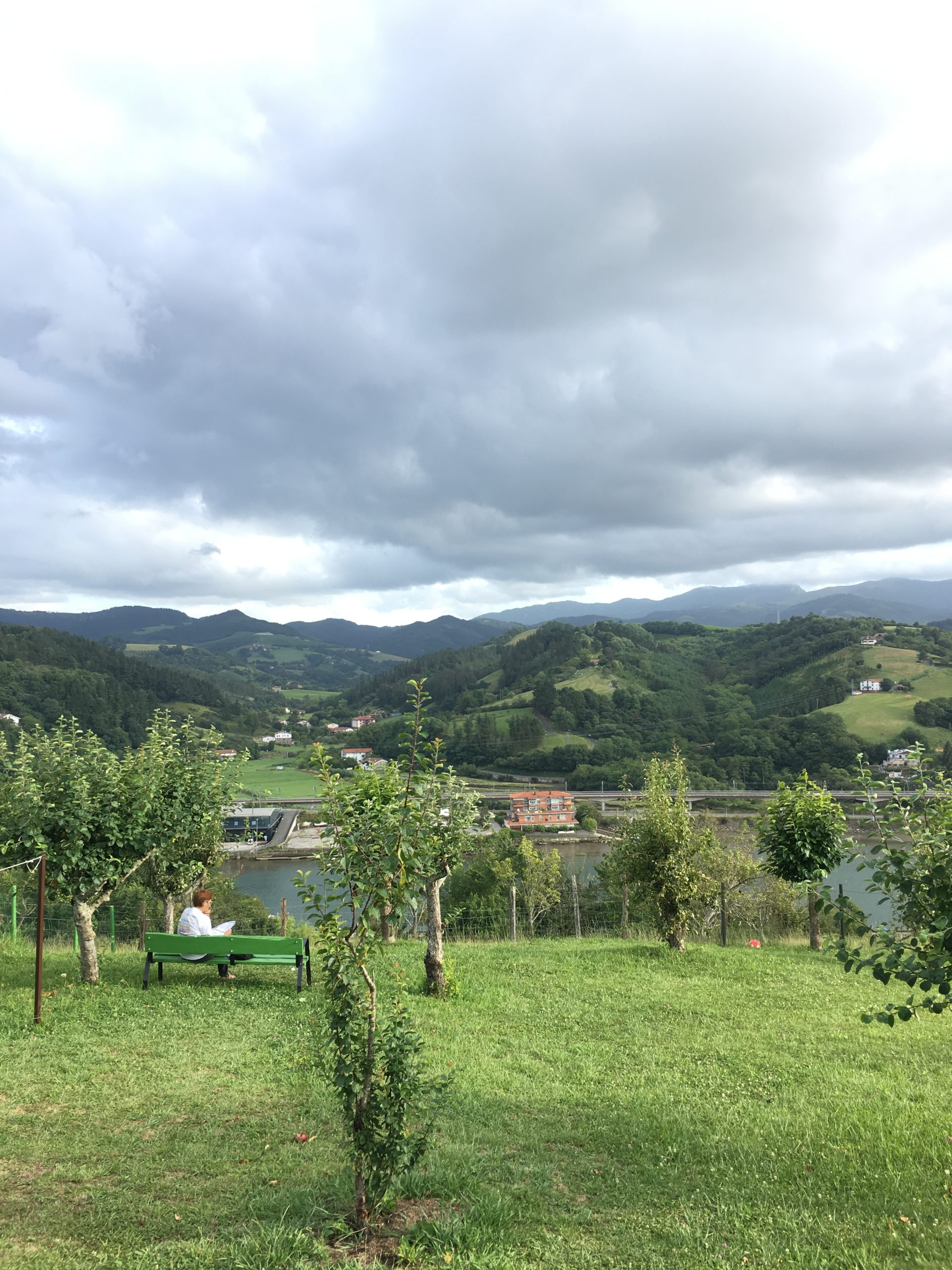
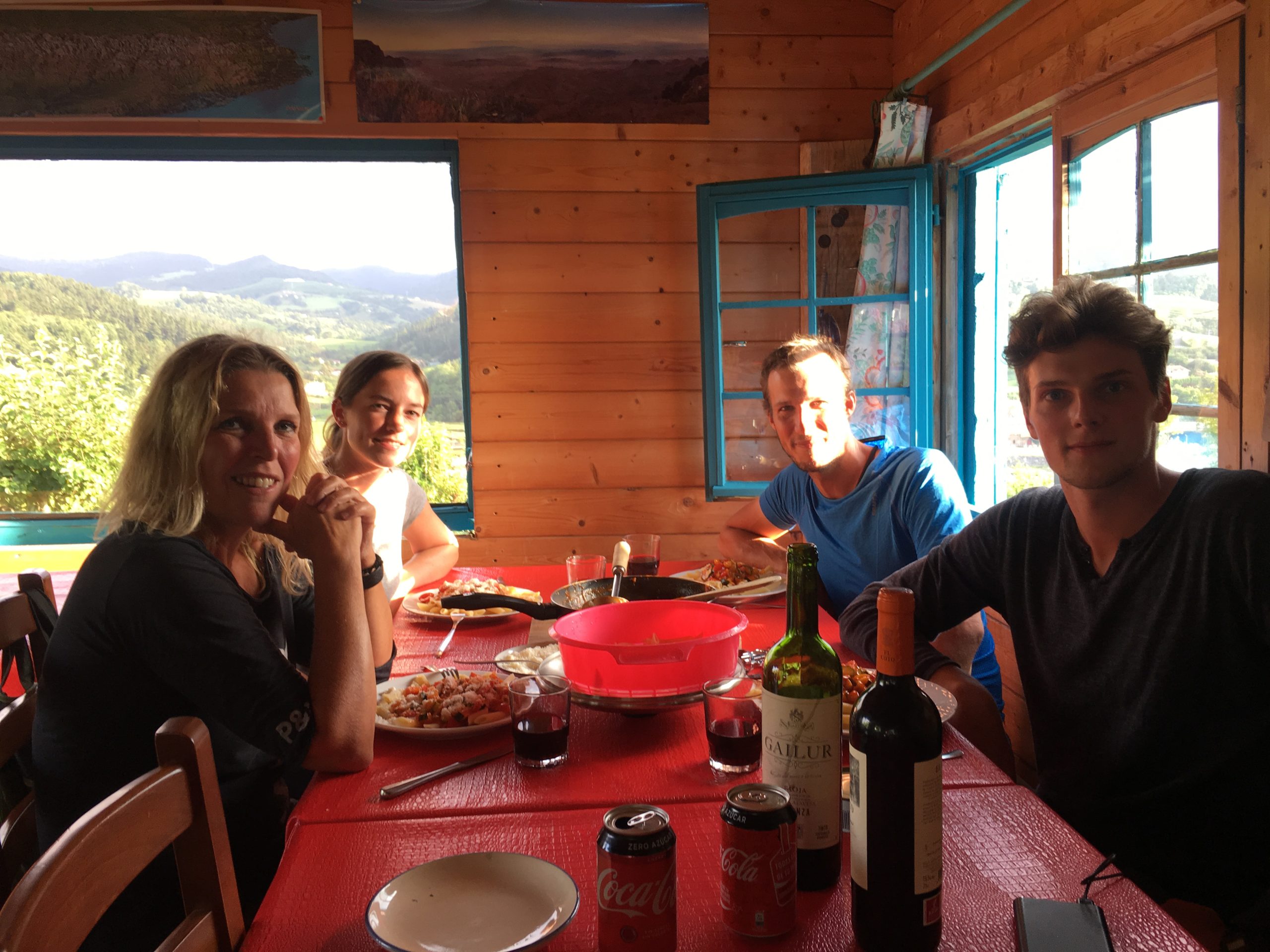
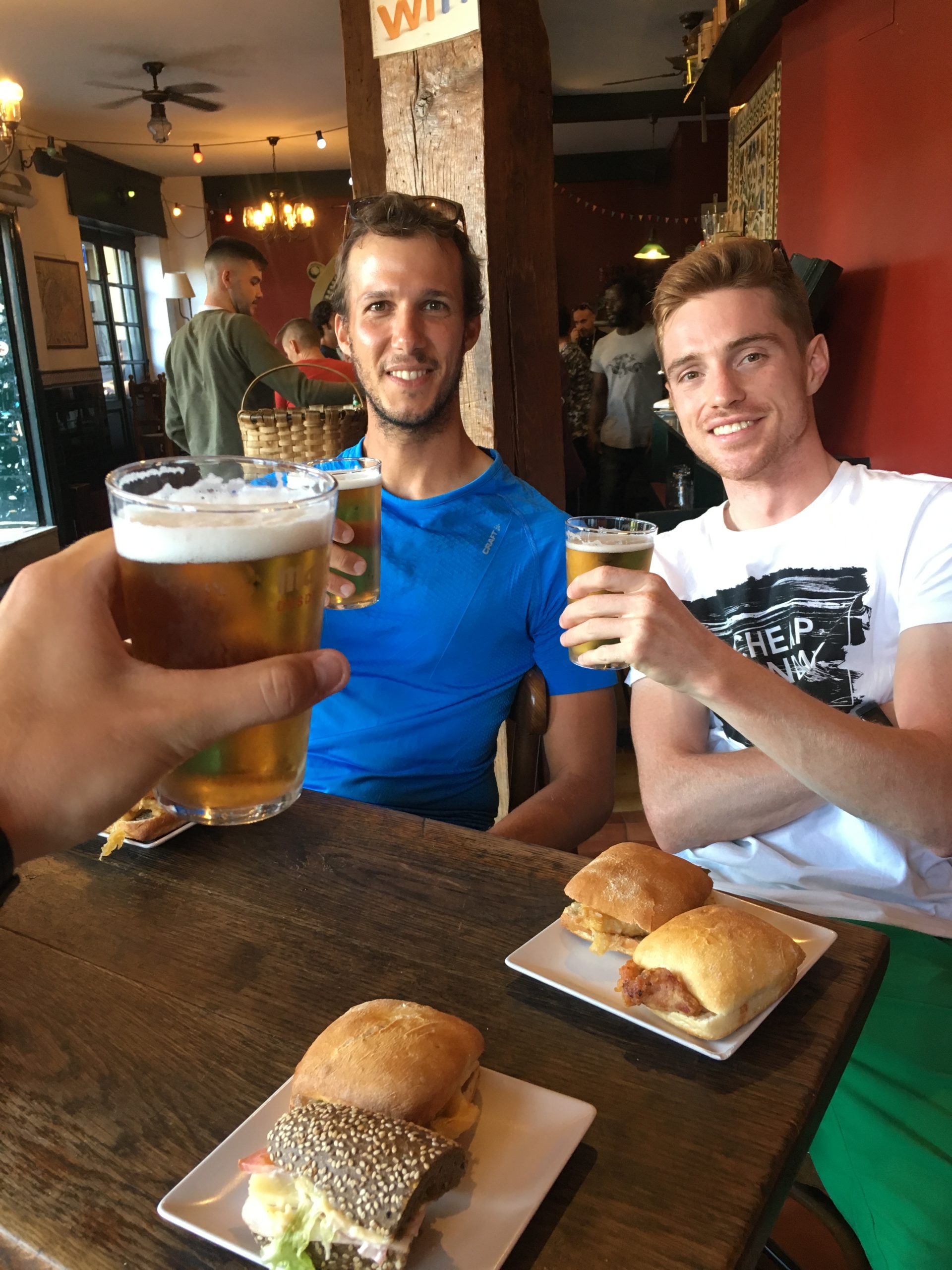
We also picked up Stefano along the way, so it became the three of us hiking together. He was Italian, moving at a similar pace, so he was strong and fit which made it easy to stick together. He was a chef, and that changed things completely. Whenever we stayed somewhere with a kitchen, we’d just buy the ingredients and he would cook for us. And of course, we paid him in wine. So yeah, some evenings we were sitting there with proper risotto or pasta, cooked by an actual chef, in the middle of the Camino. Honestly, that made the whole experience even better.
Is Camino special?
But look, I’m not going to sugarcoat it. In reality, Camino is not that special. It’s basically just walking. You walk, you eat, you find a place to sleep, you maybe drink some wine or beer if you feel like it. That’s the routine. To some extent, it’s just walking or hiking, with a bit of fun on the side. At the same time, it is still a challenge but not in a hardcore sense. You’re not in the Alps, you’re not mountaineering, you’re not pushing your body into extreme pain or misery. It’s a different kind of effort. But what it is, is a really good test. A way to see if you actually enjoy this kind of lifestyle.
Just because it’s not special in terms of views or the places you stay, it can still be very special on a personal level. There are so many stories from the Camino where people say they found themselves. I wasn’t really one of them, but it still influenced my life in its own way. So yeah, if you’re curious, just go out there and try it.
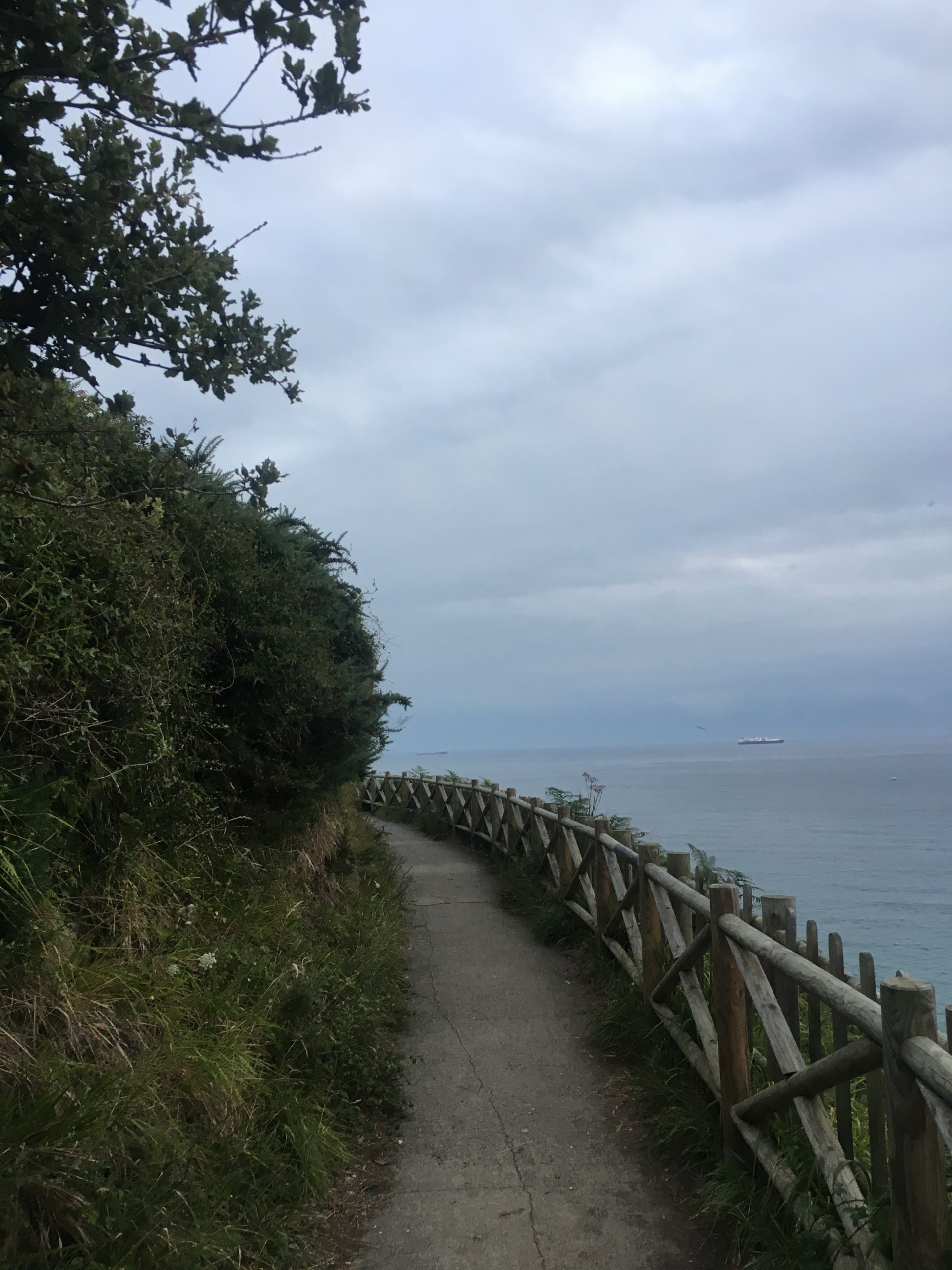
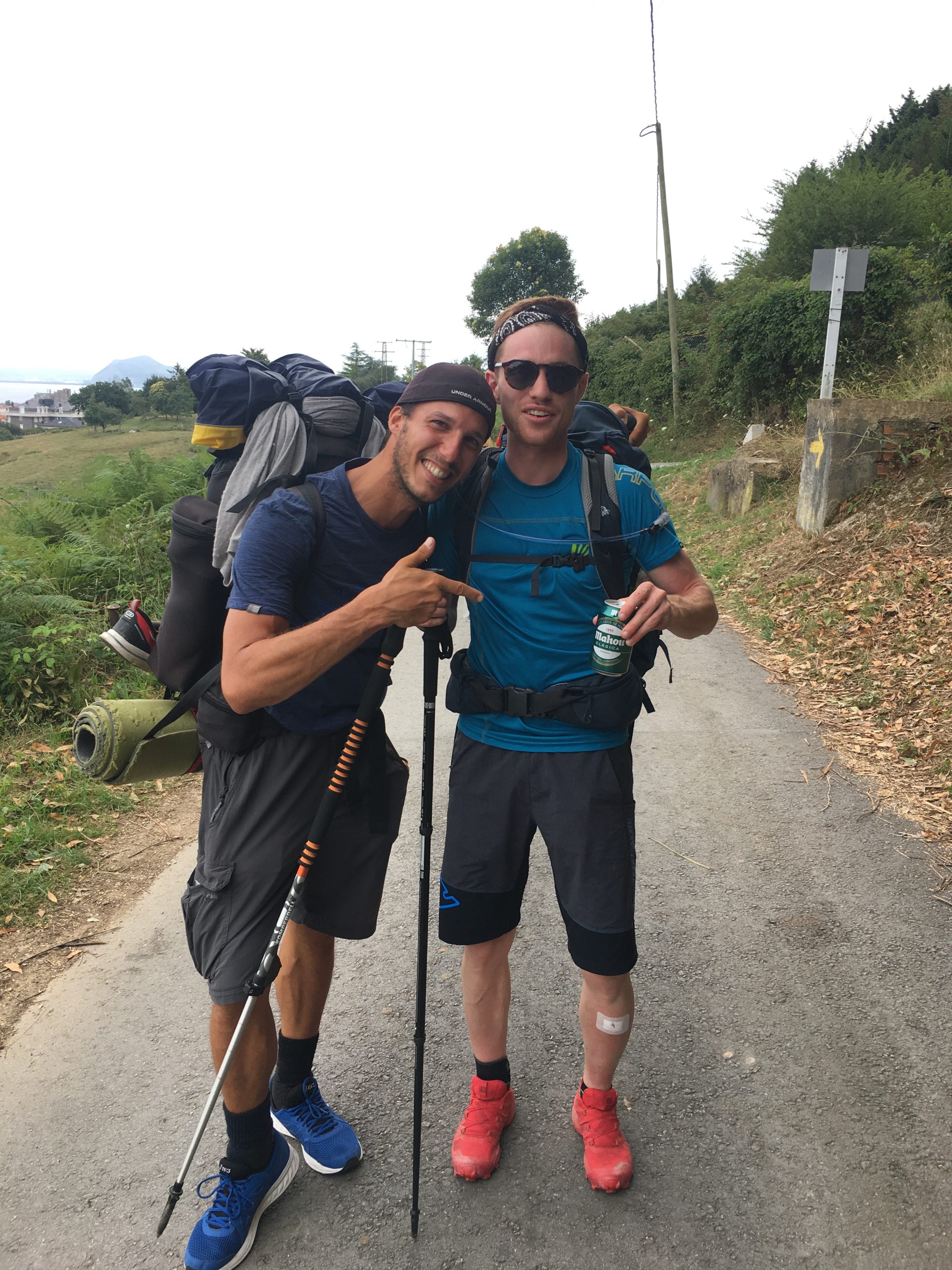
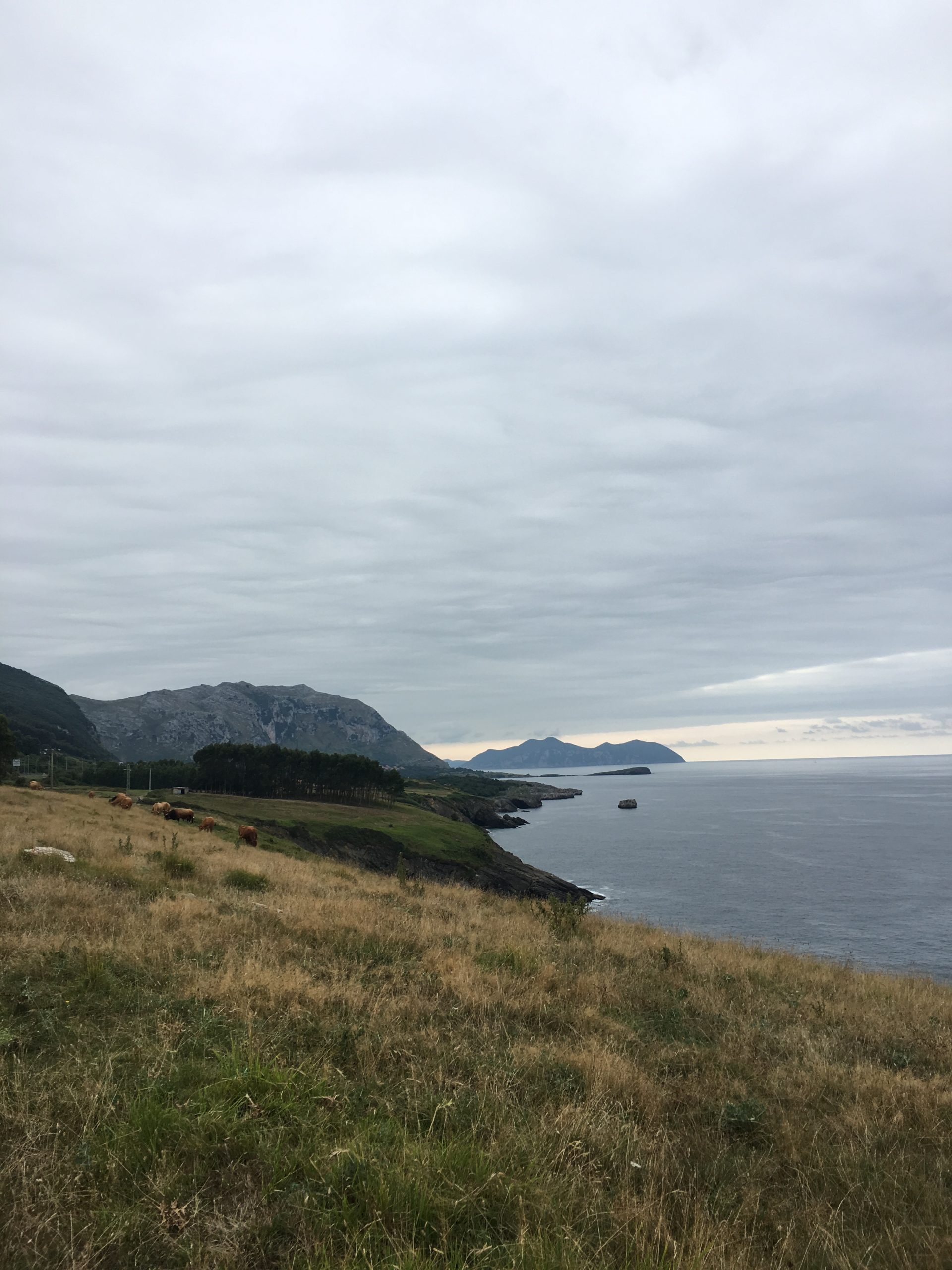
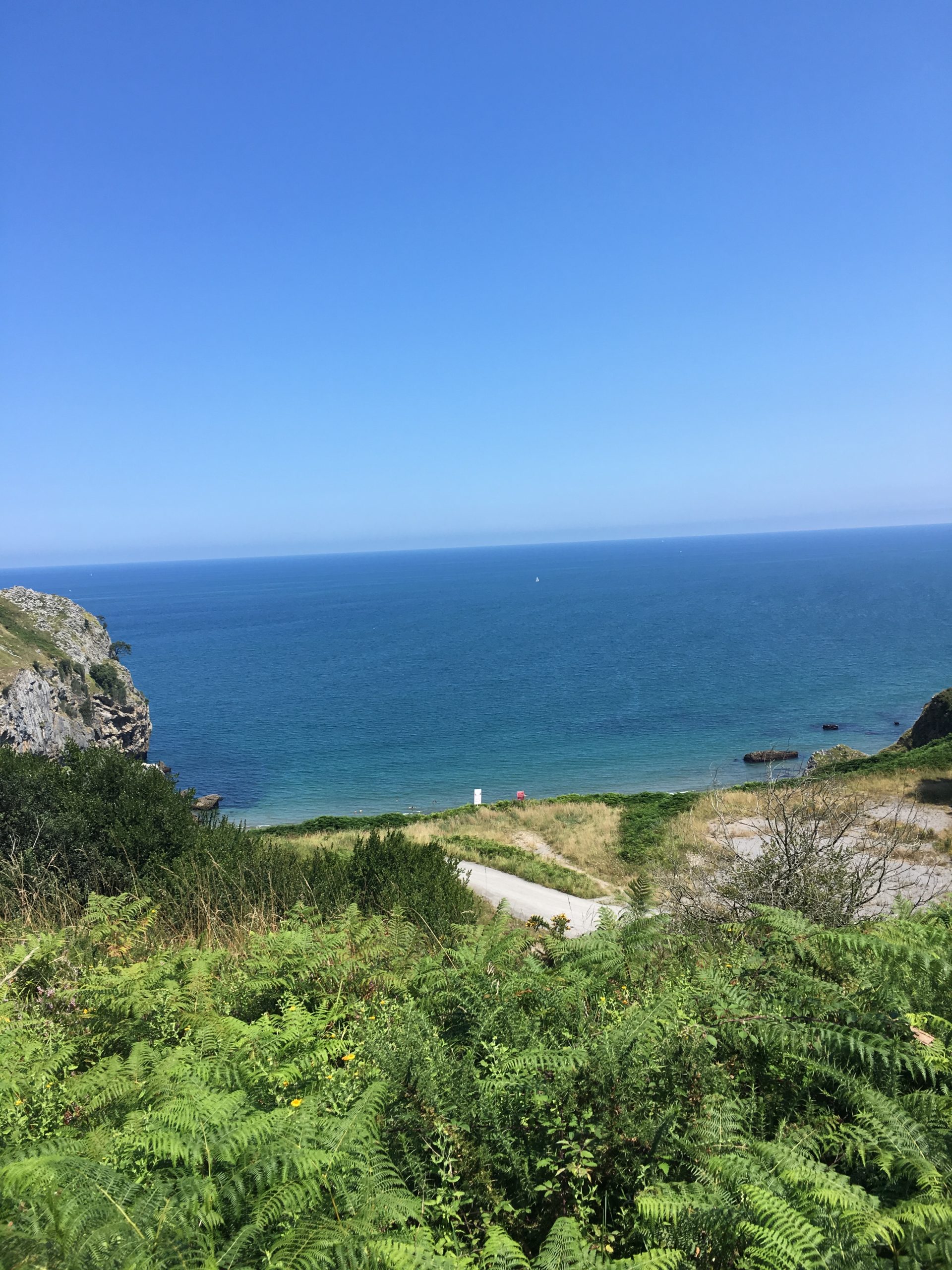
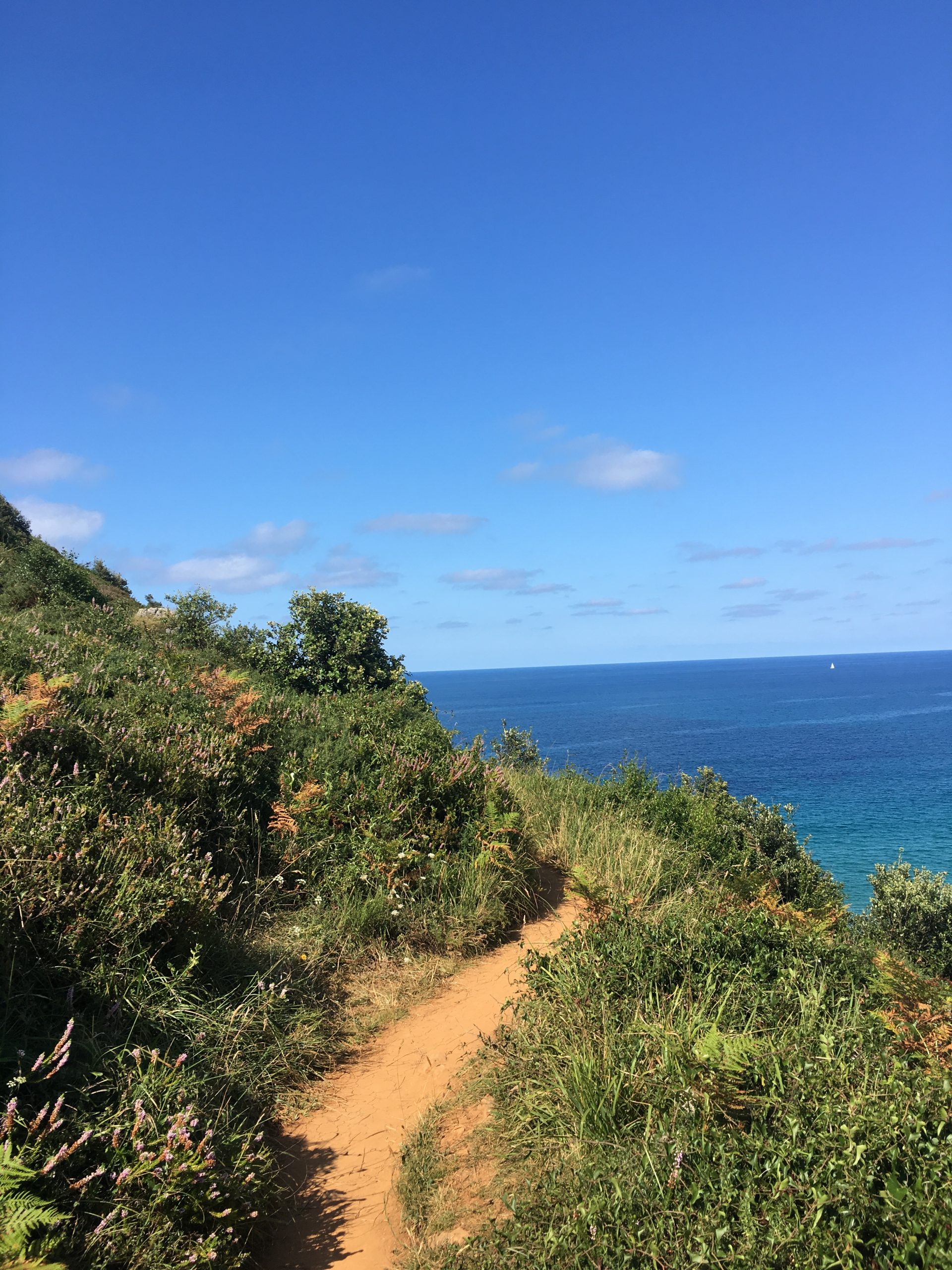
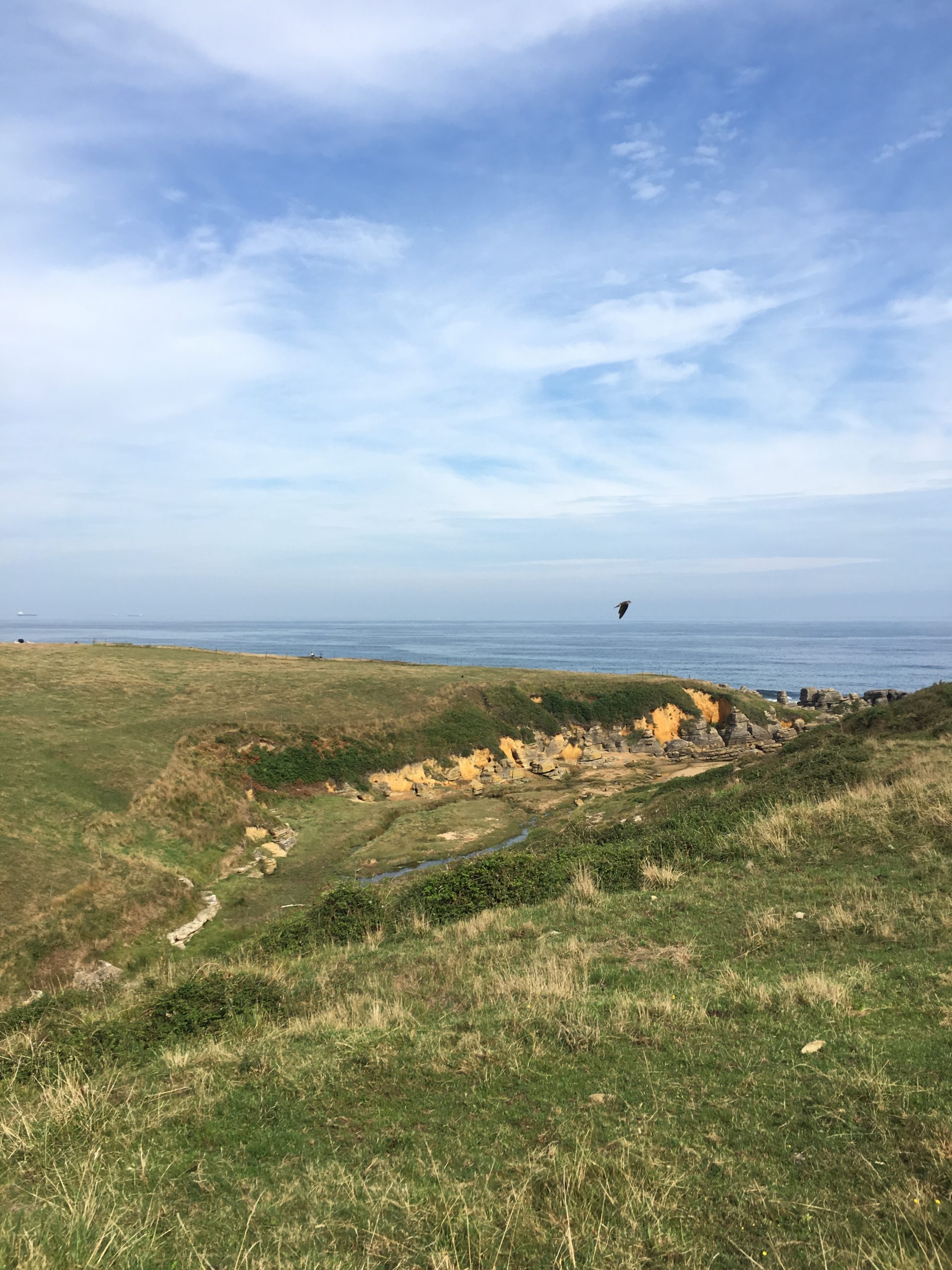
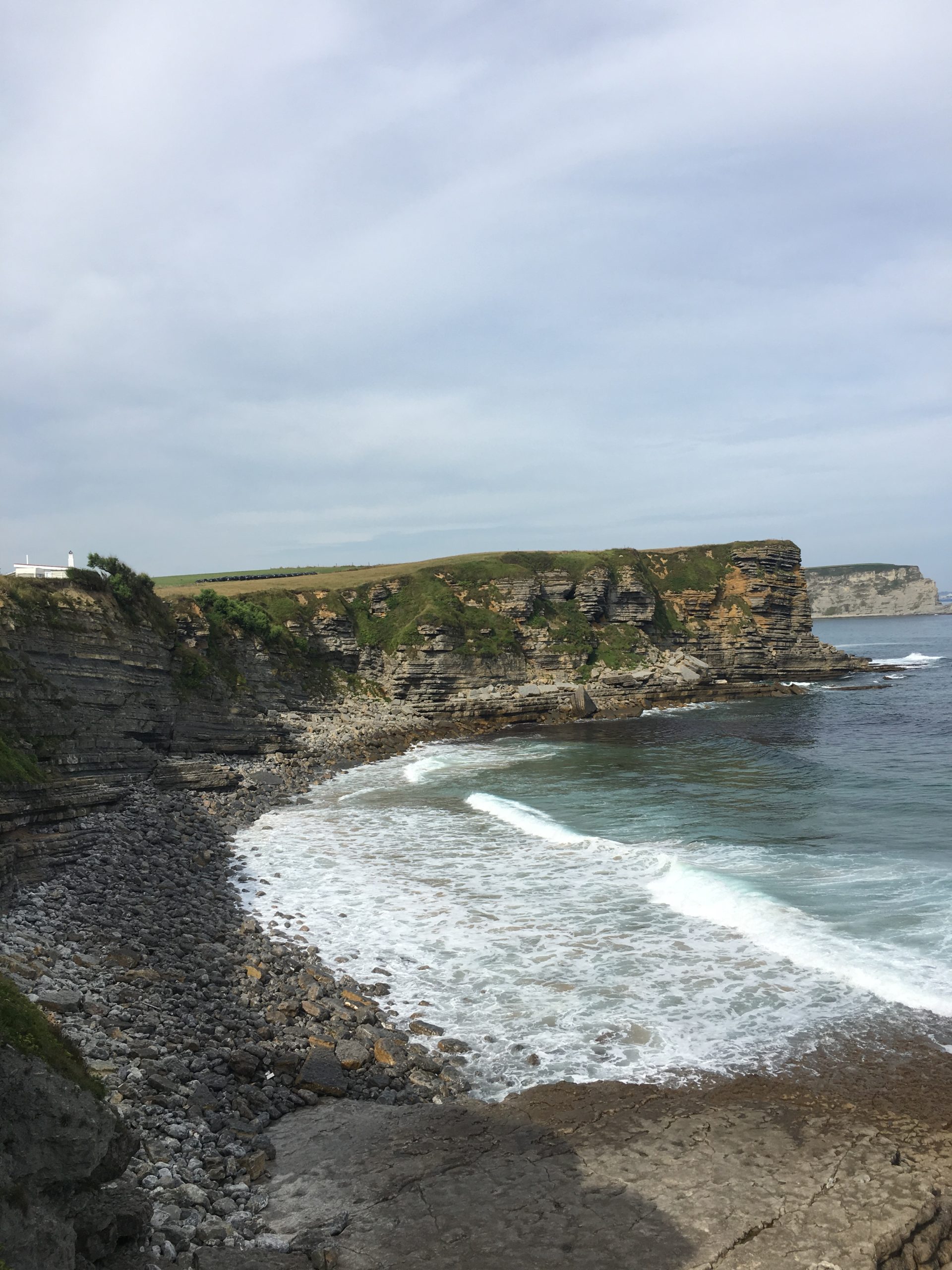
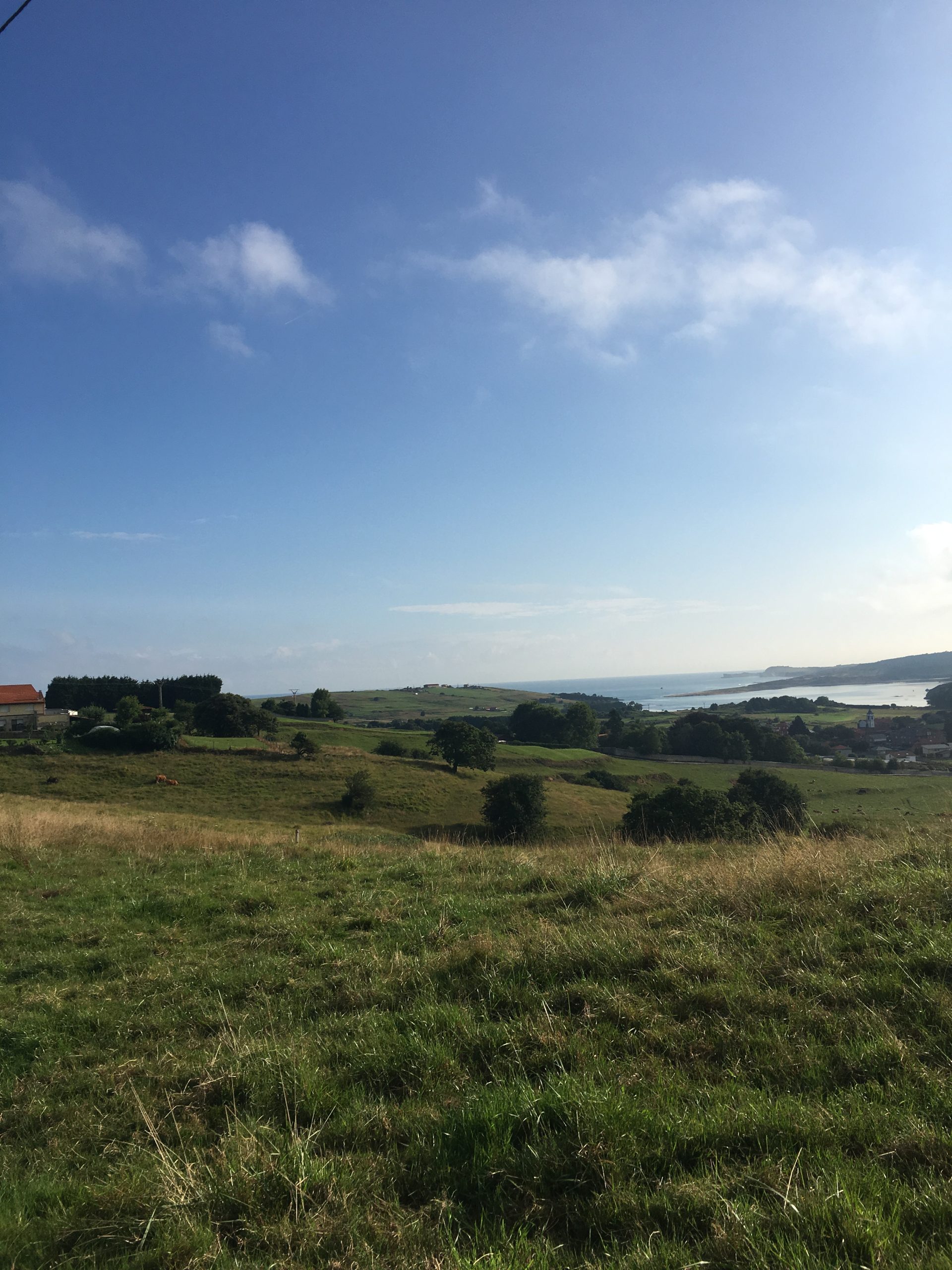
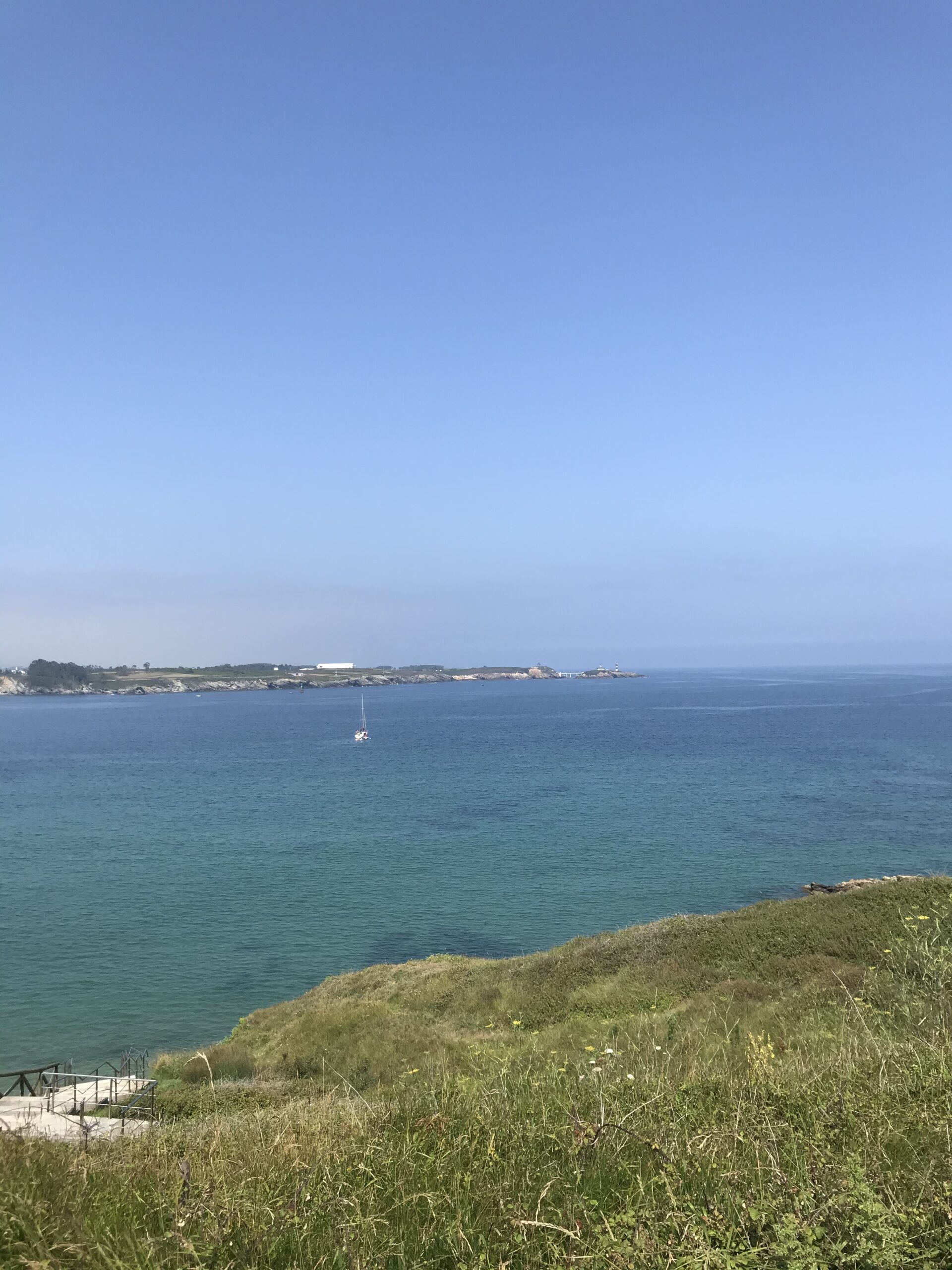
I did enjoy the first part of the Northern route. At times you’re walking right next to the coast, then for a few days you don’t see the sea at all, and it keeps changing like that. The temperature was also really good. There were some hot days but overall it never felt too hot, especially compared to the rest of Spain in August.
Camino Primitivo
So within almost two weeks of hiking, I had my first 50 kilometer day. I was honestly shocked that my body could handle that kind of distance. Of course it was exhausting but I didn’t feel broken, no real pain, just tired in a good way. It was extremely rewarding.That was the day I decided I was going to do the Pacific Crest Trail.
Somewhere around halfway through, I also decided to switch things up and jump onto the Camino Primitivo, going a bit more inland instead of just staying on the coast.
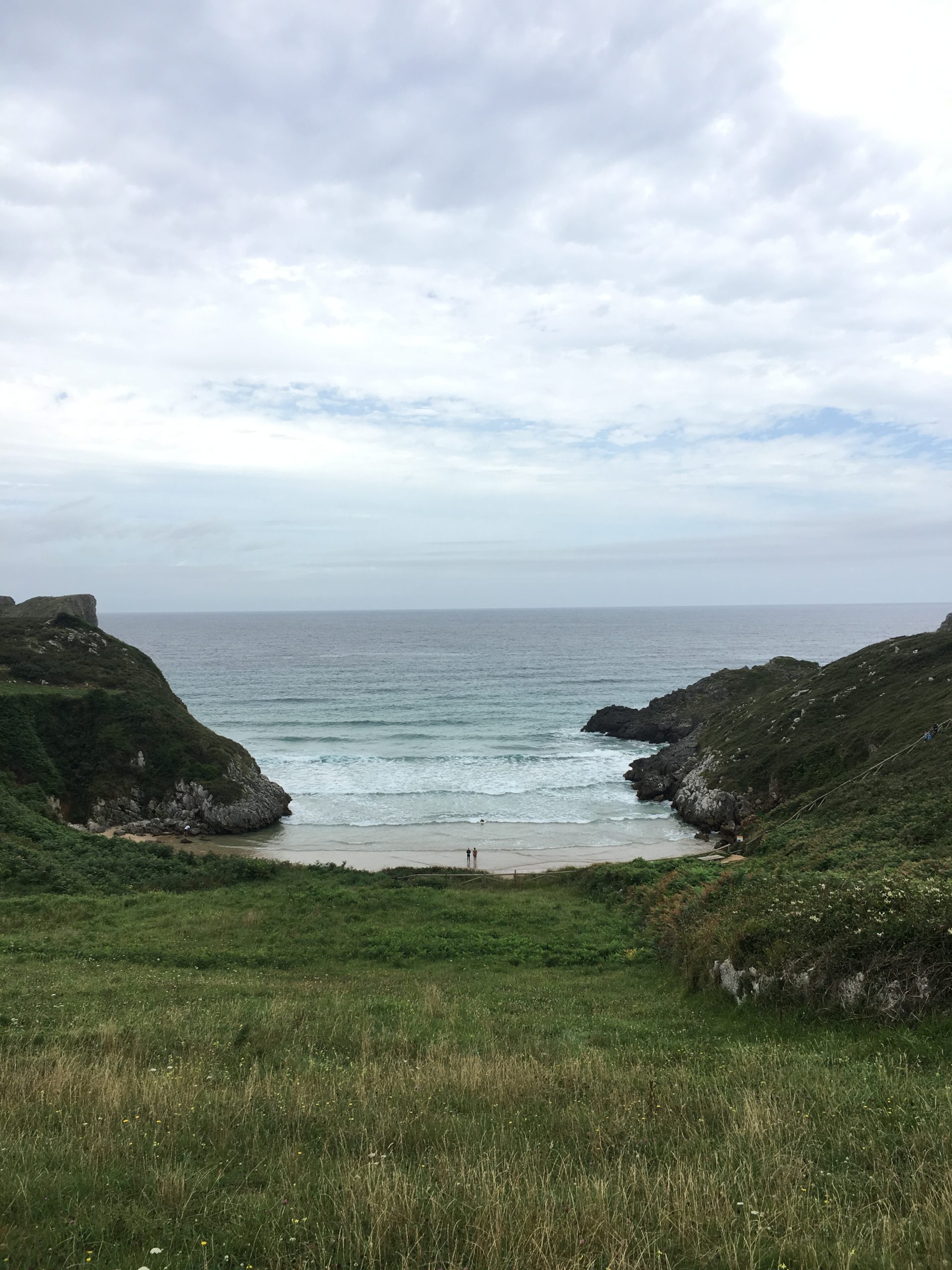
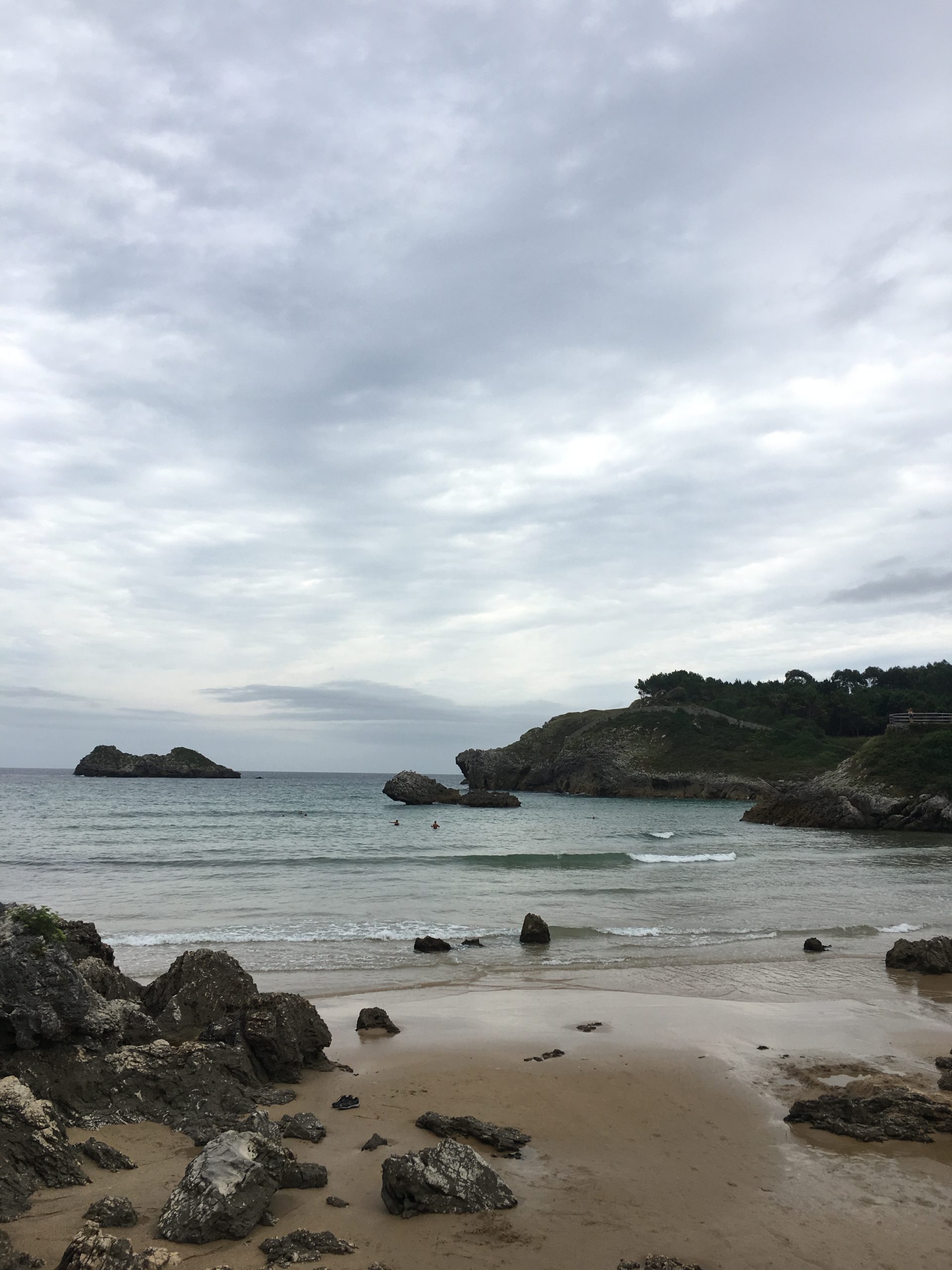
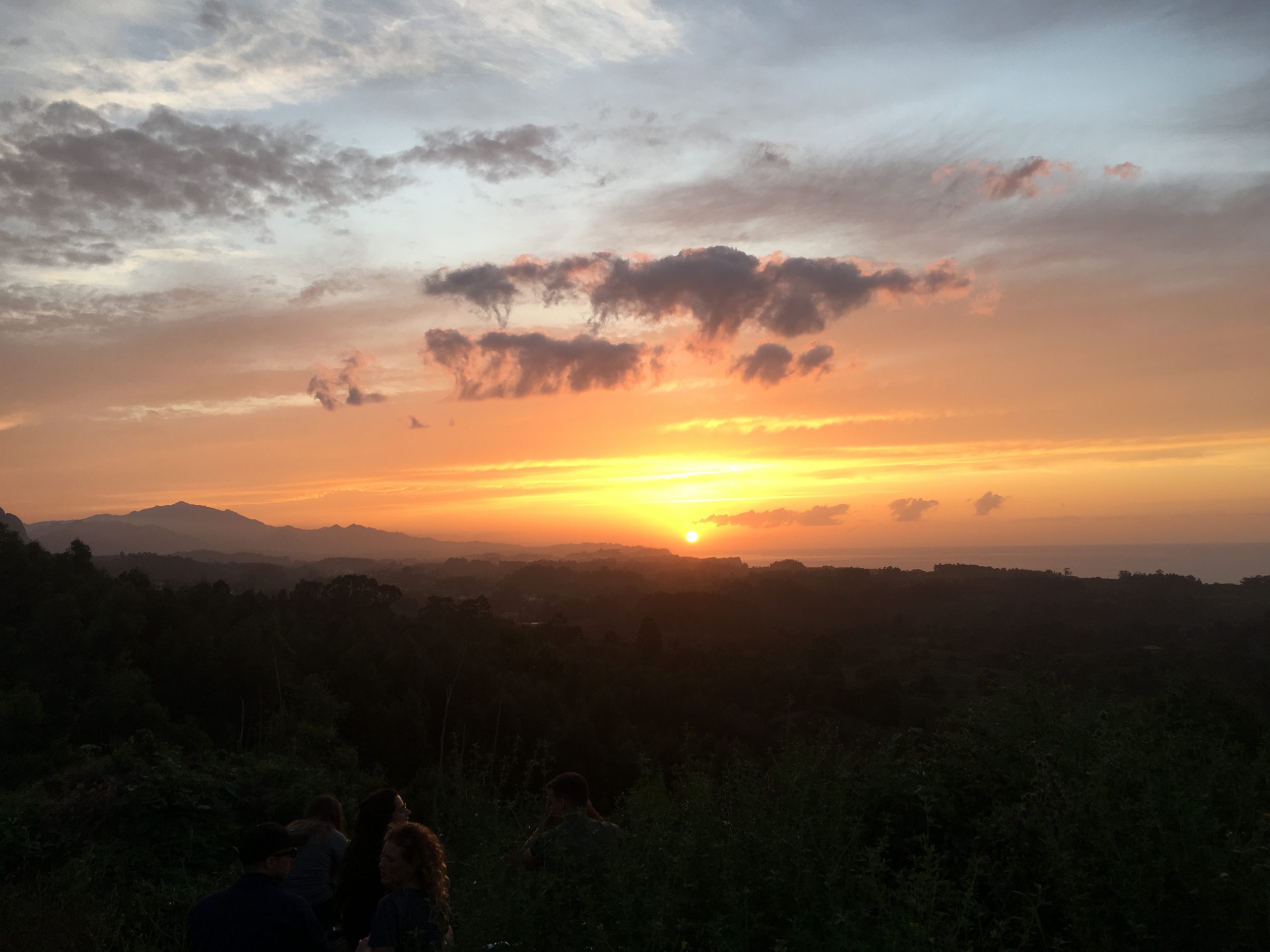
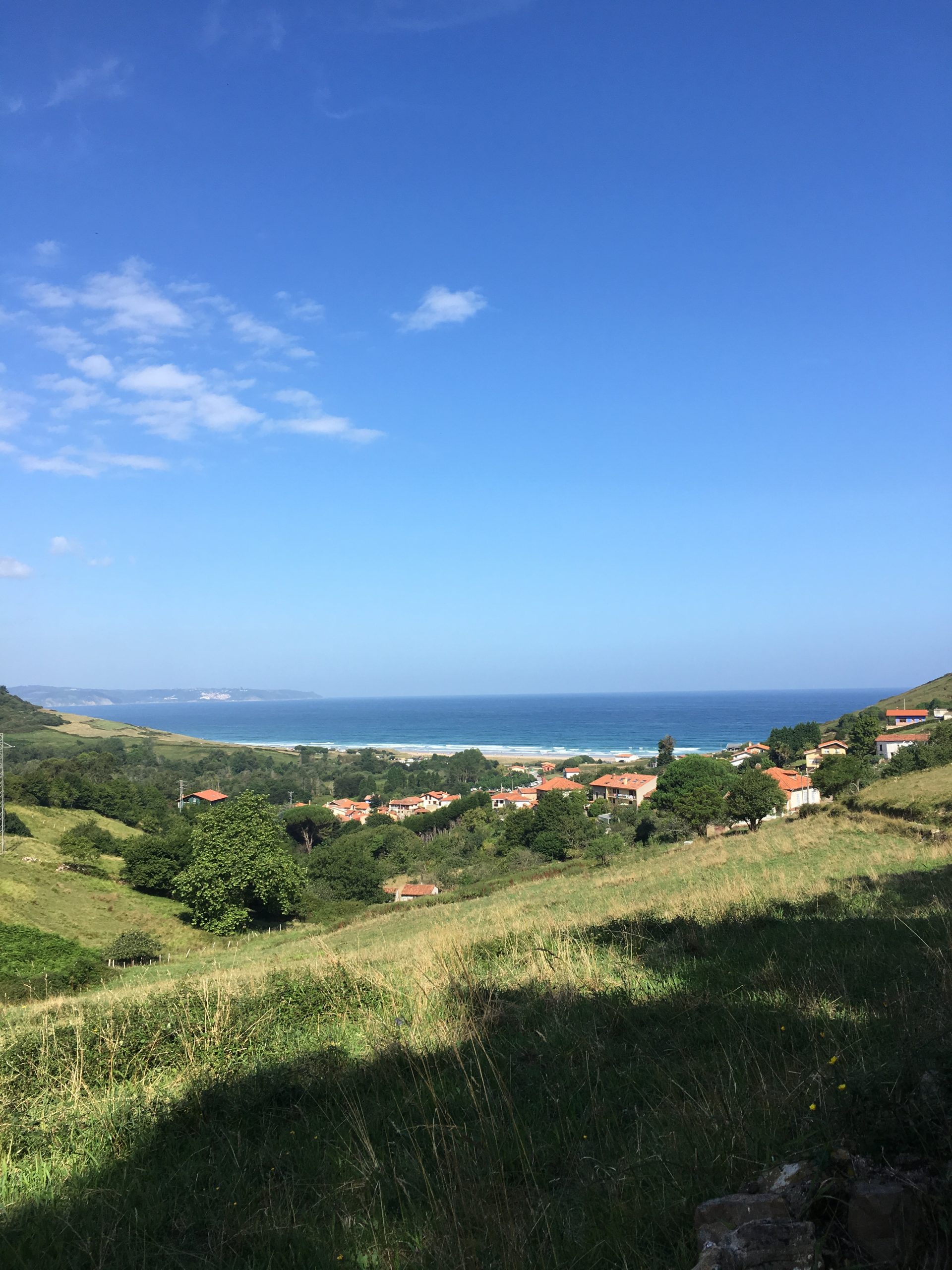
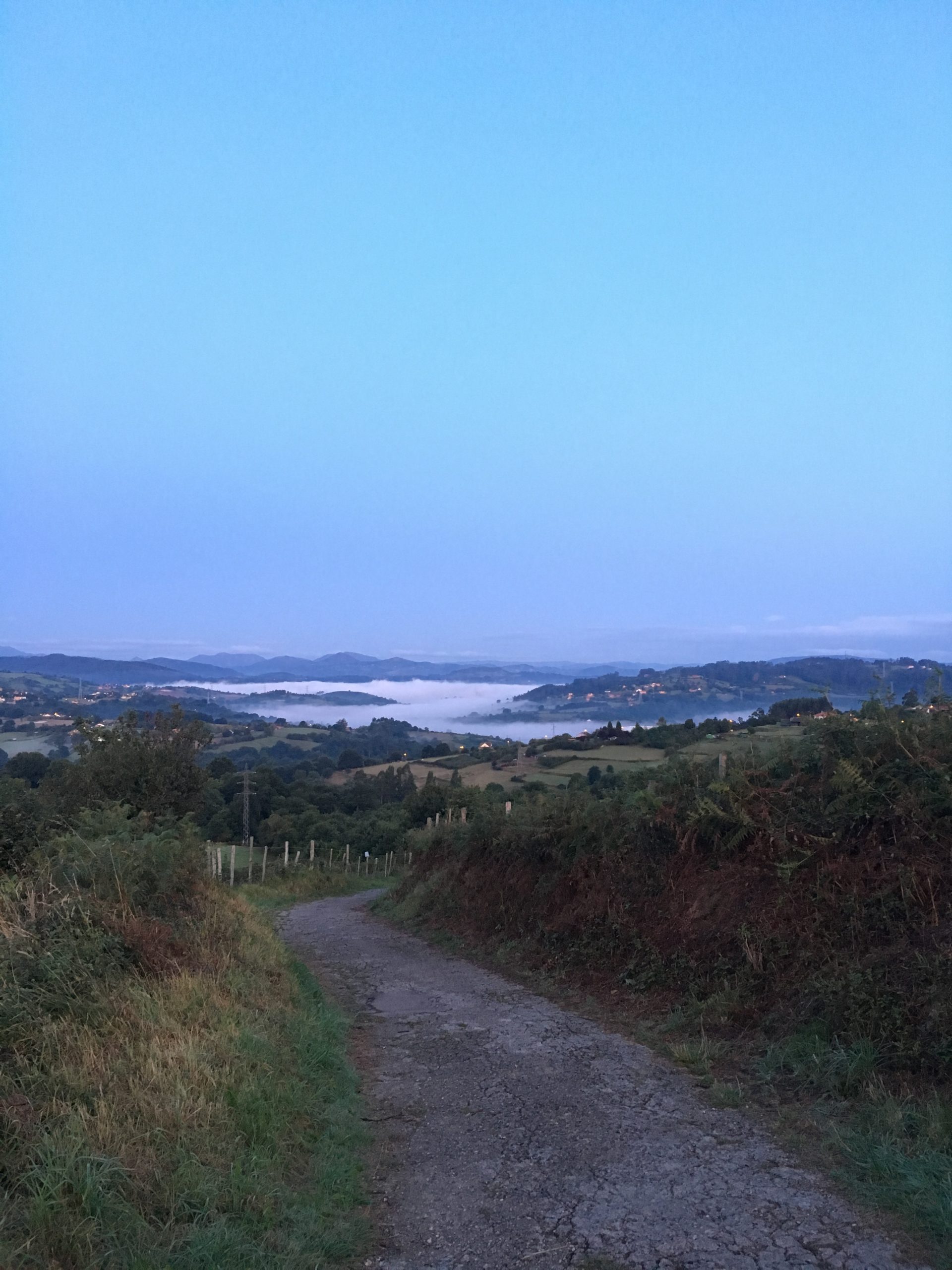
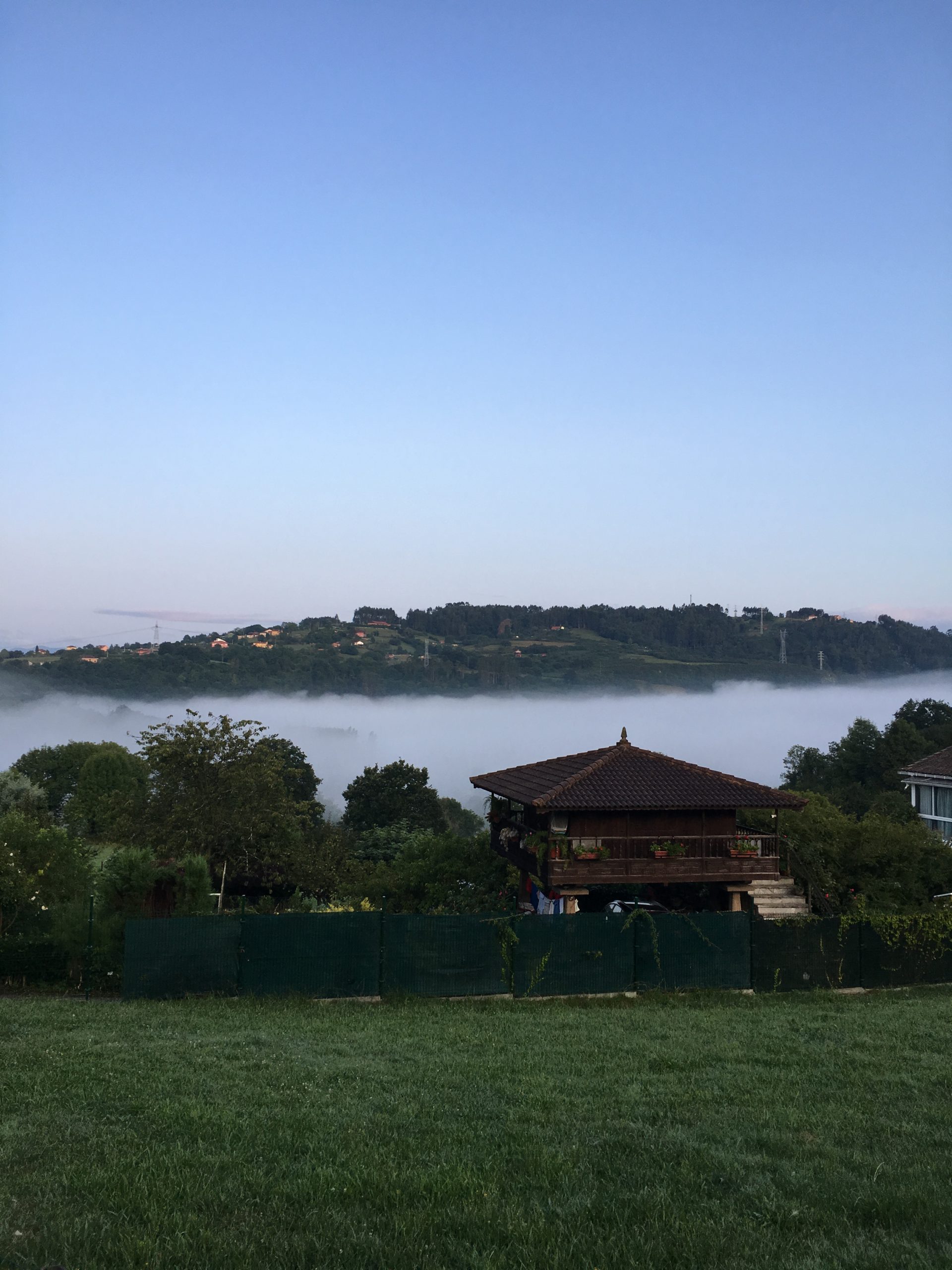
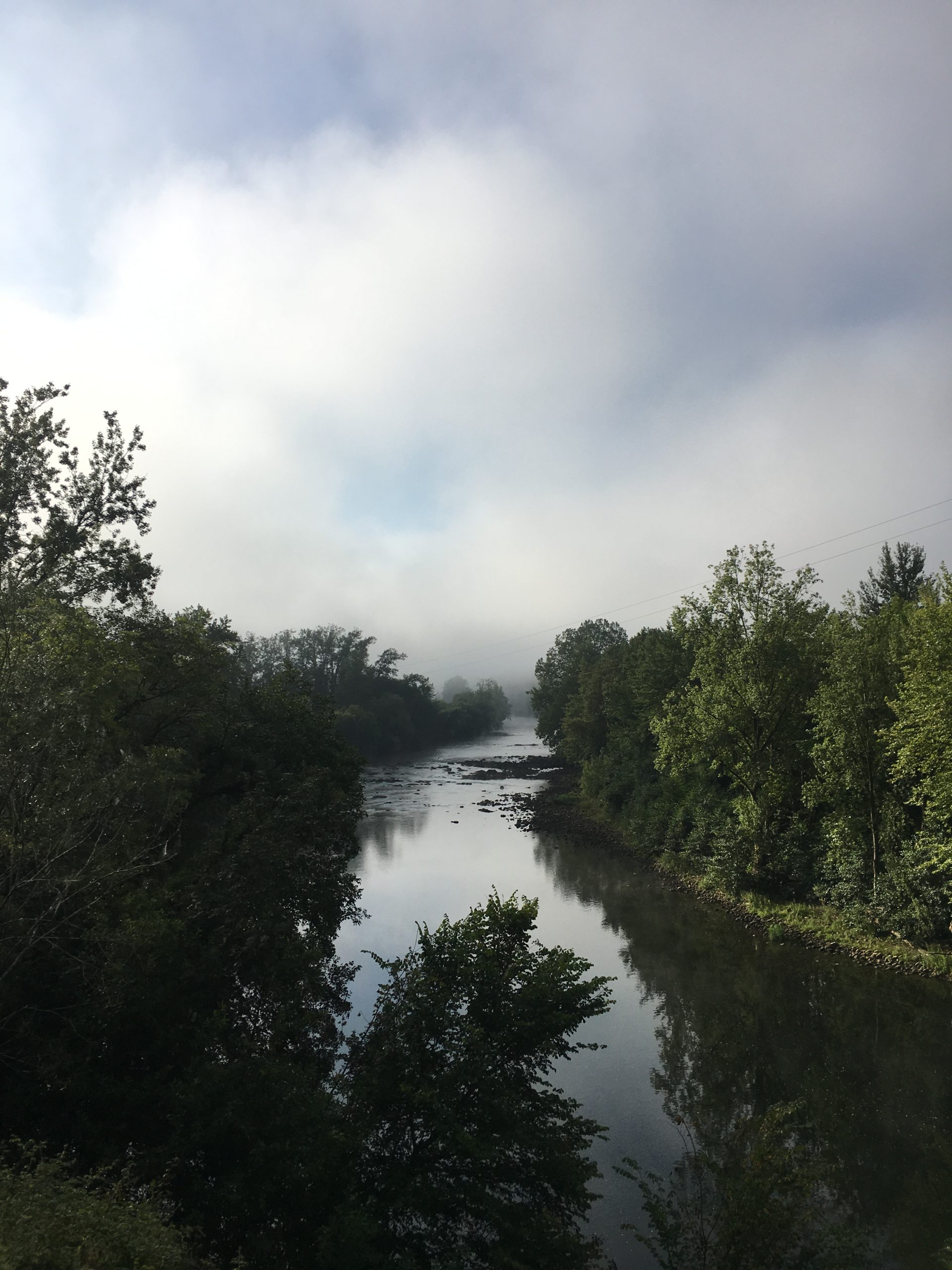
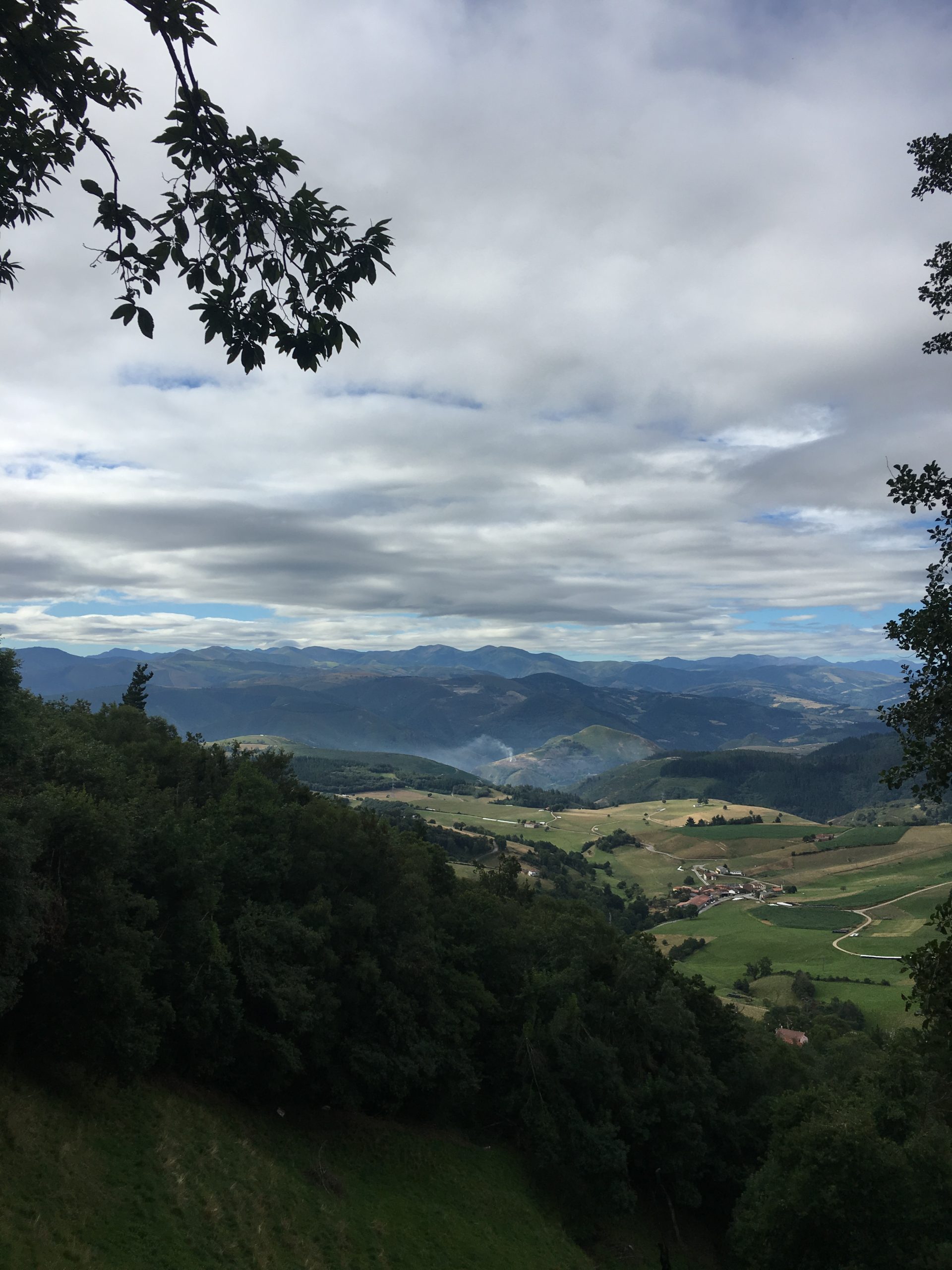
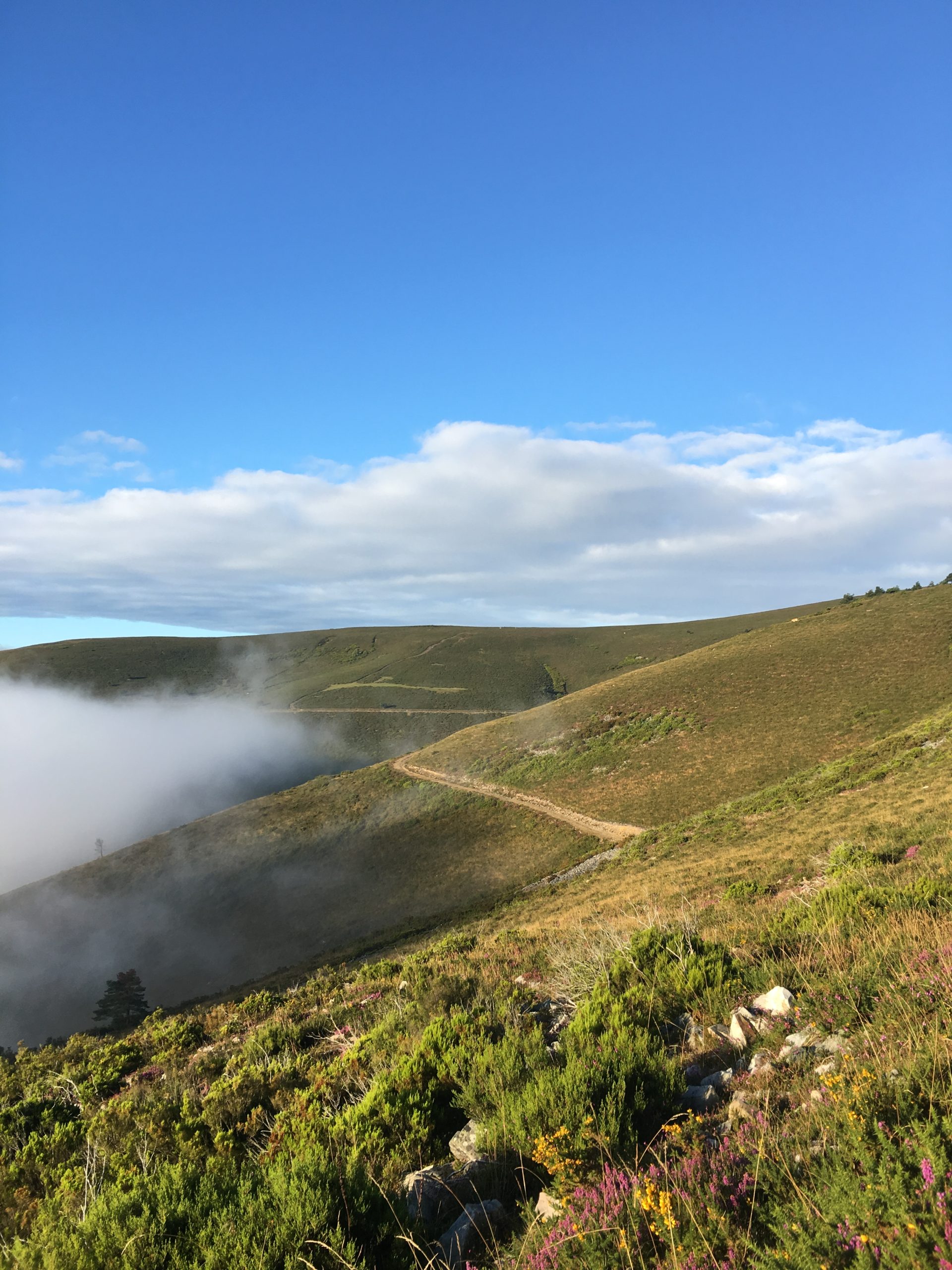
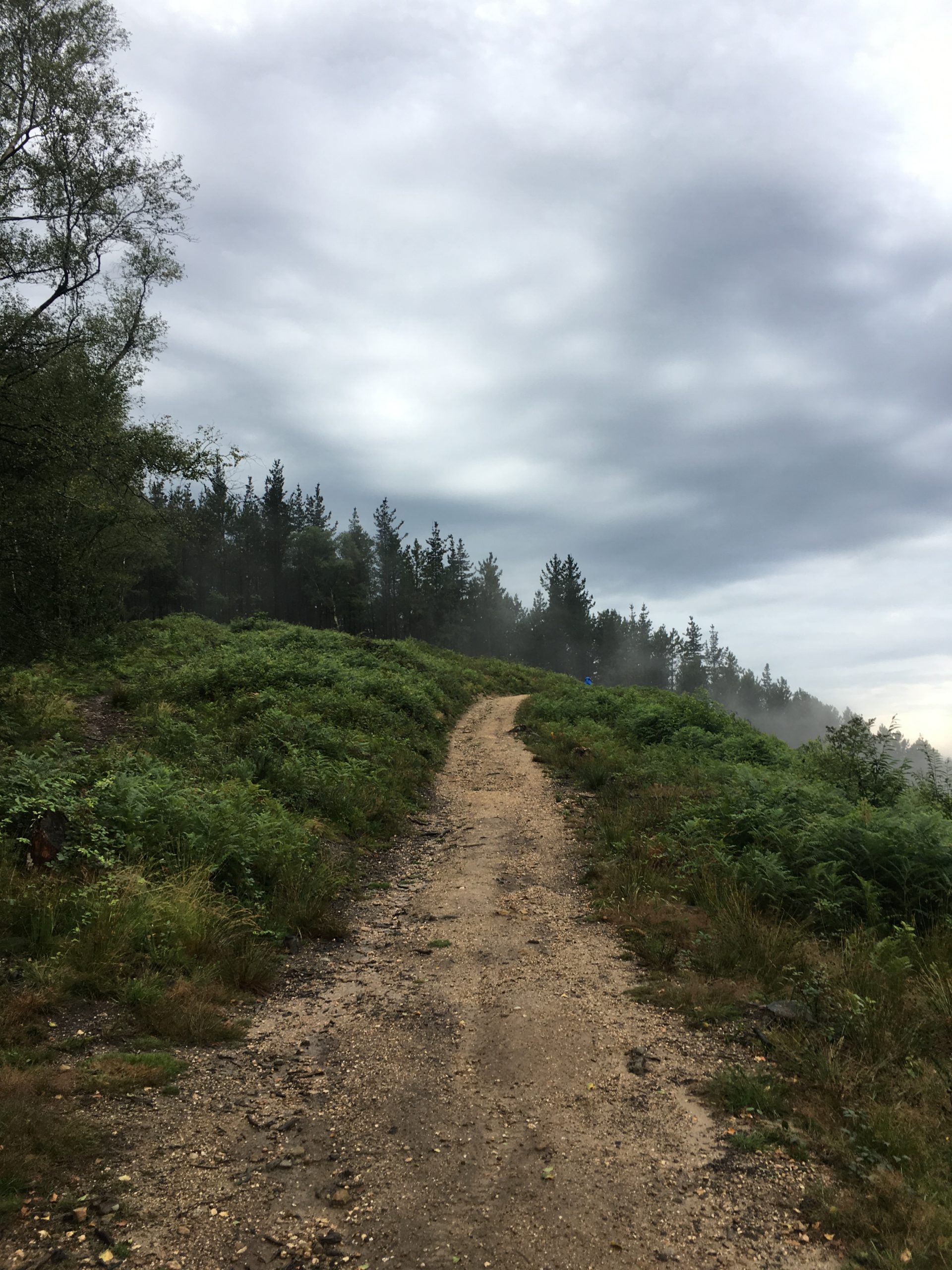
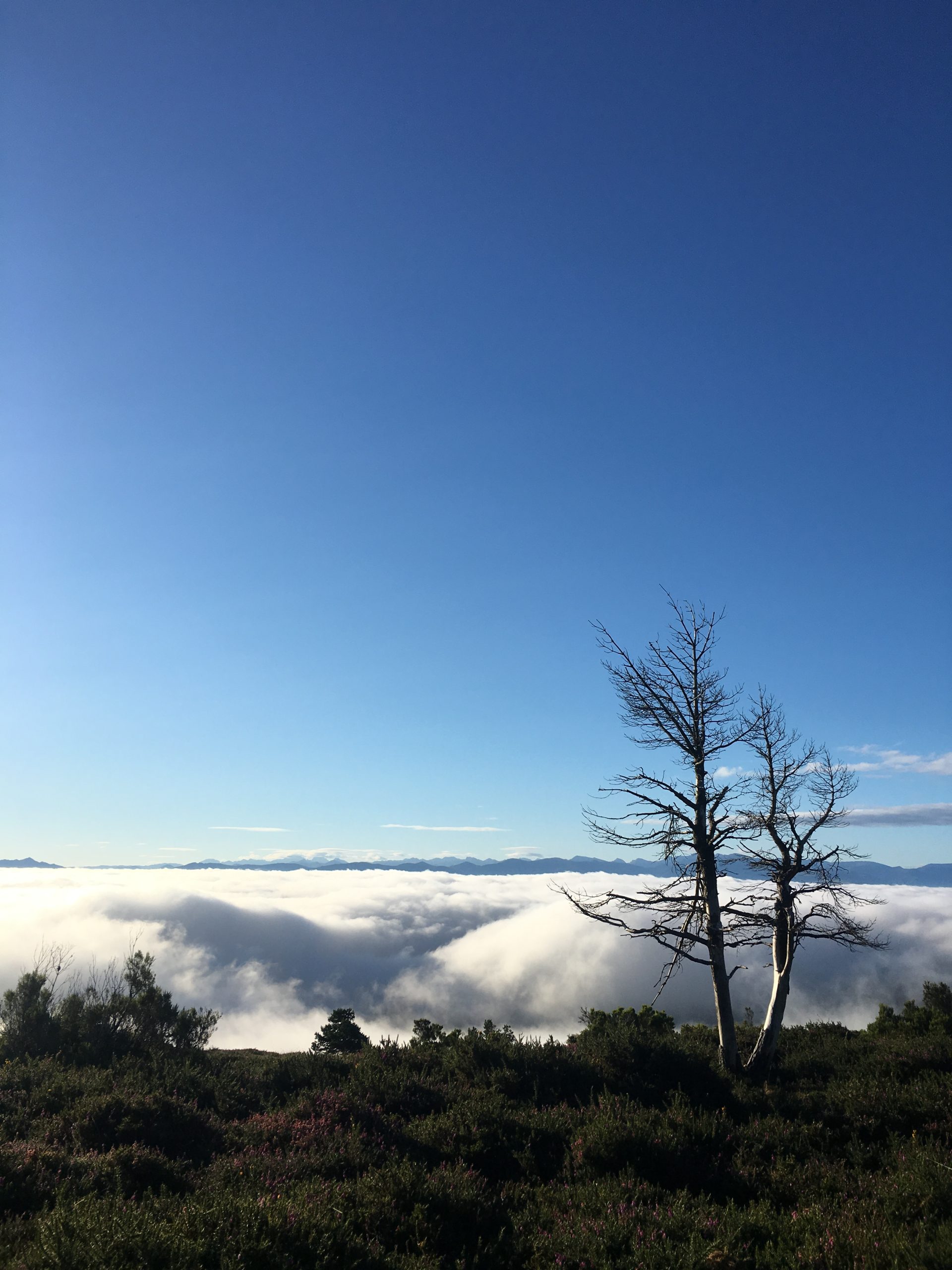
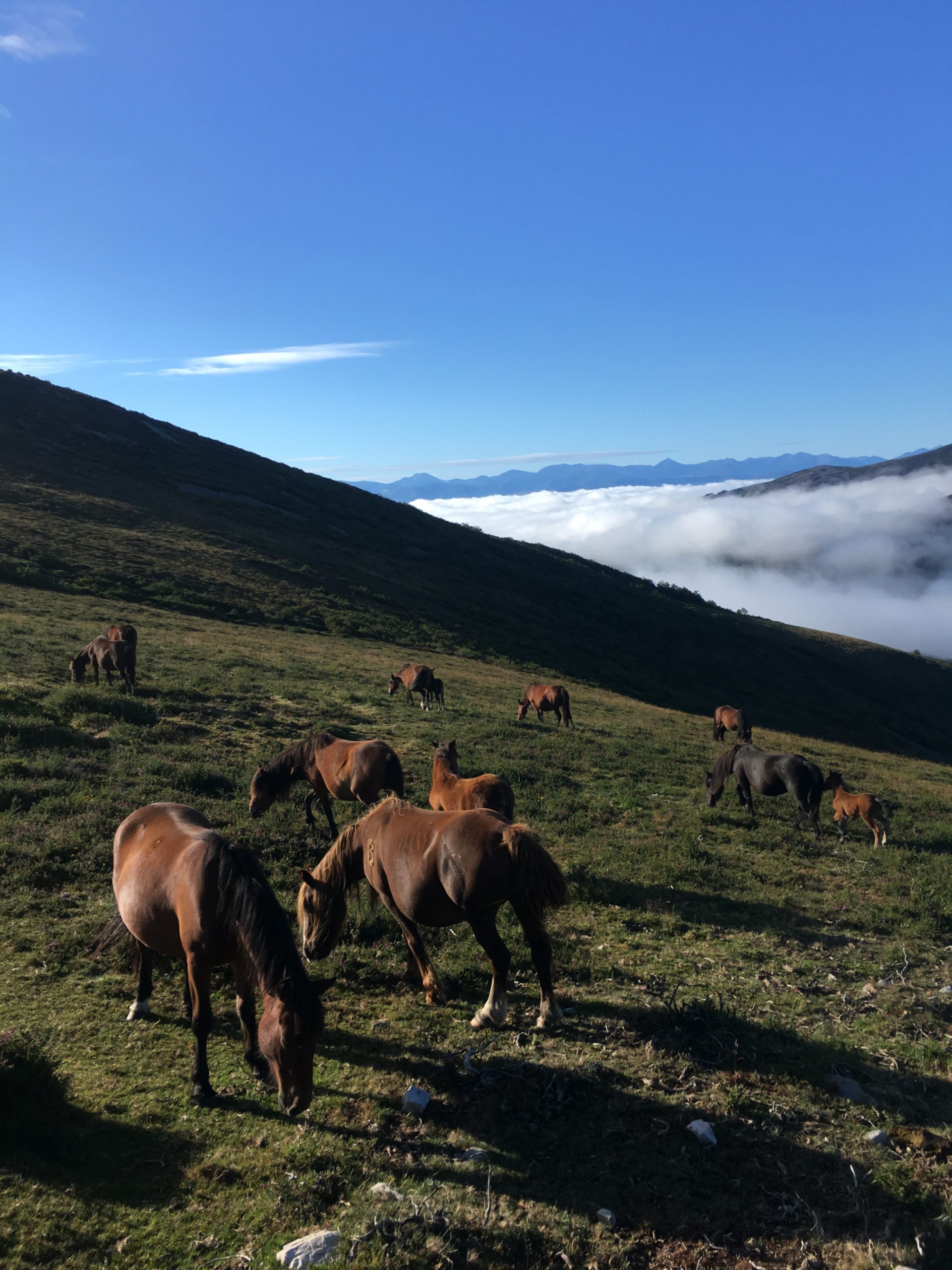
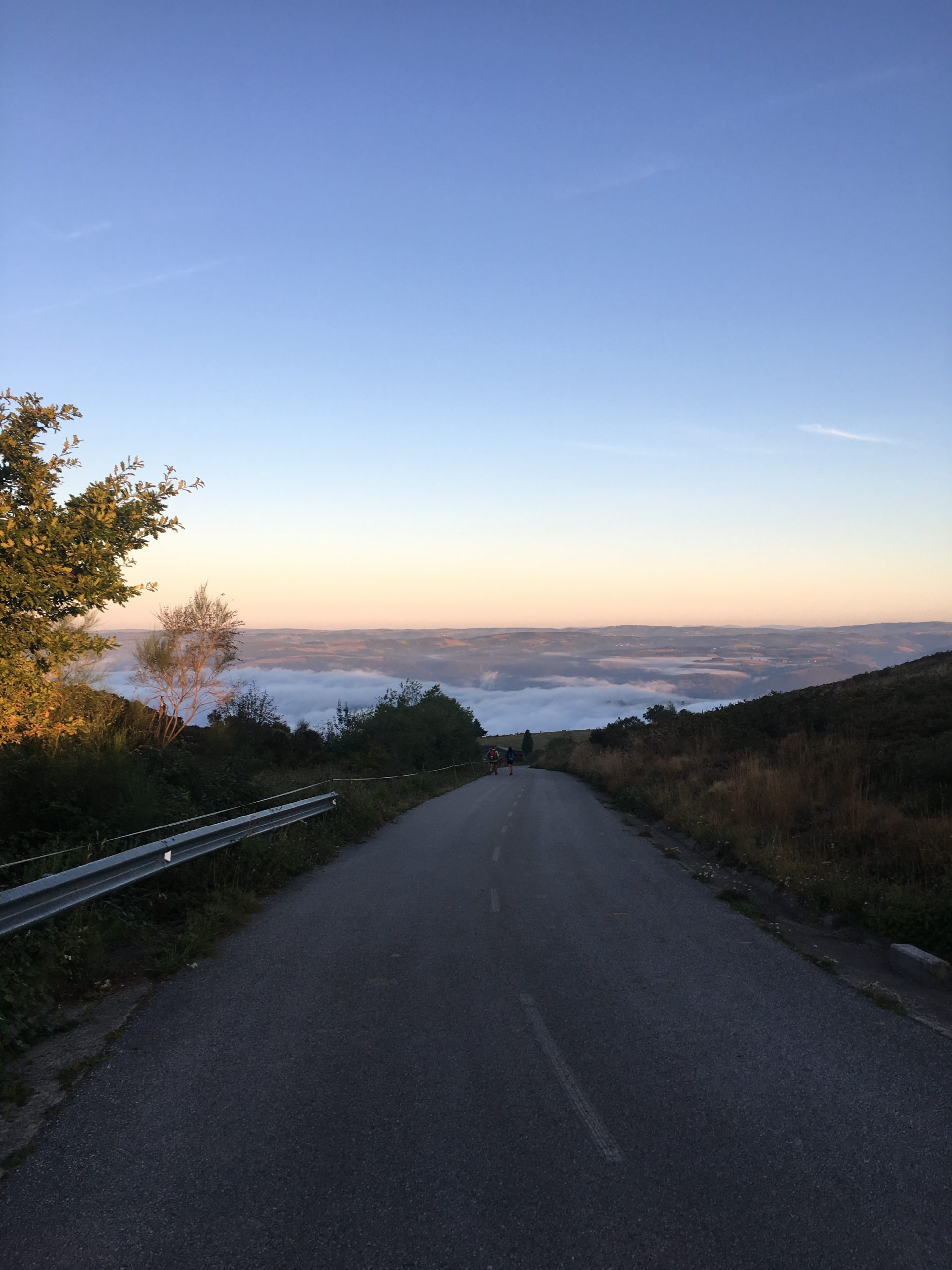
Primitivo was nice in a different way. At times I was walking above the clouds, and even though you’re not climbing that much, it just feels completely different. Coming from a place without mountains, that kind of scenery is special. Starting in the morning, seeing the sun break through the clouds while you’re walking through mist… it does something. You kind of get that feeling like, alright, I’m actually a pilgrim now.
And the thing is, you don’t have to be religious to do the Camino. You just do it for whatever reason you want. In the end, it’s very simple. You walk, and you think. And somehow your brain works better when you’re doing that. It’s also nice that Spain has the infrastructure to support it.
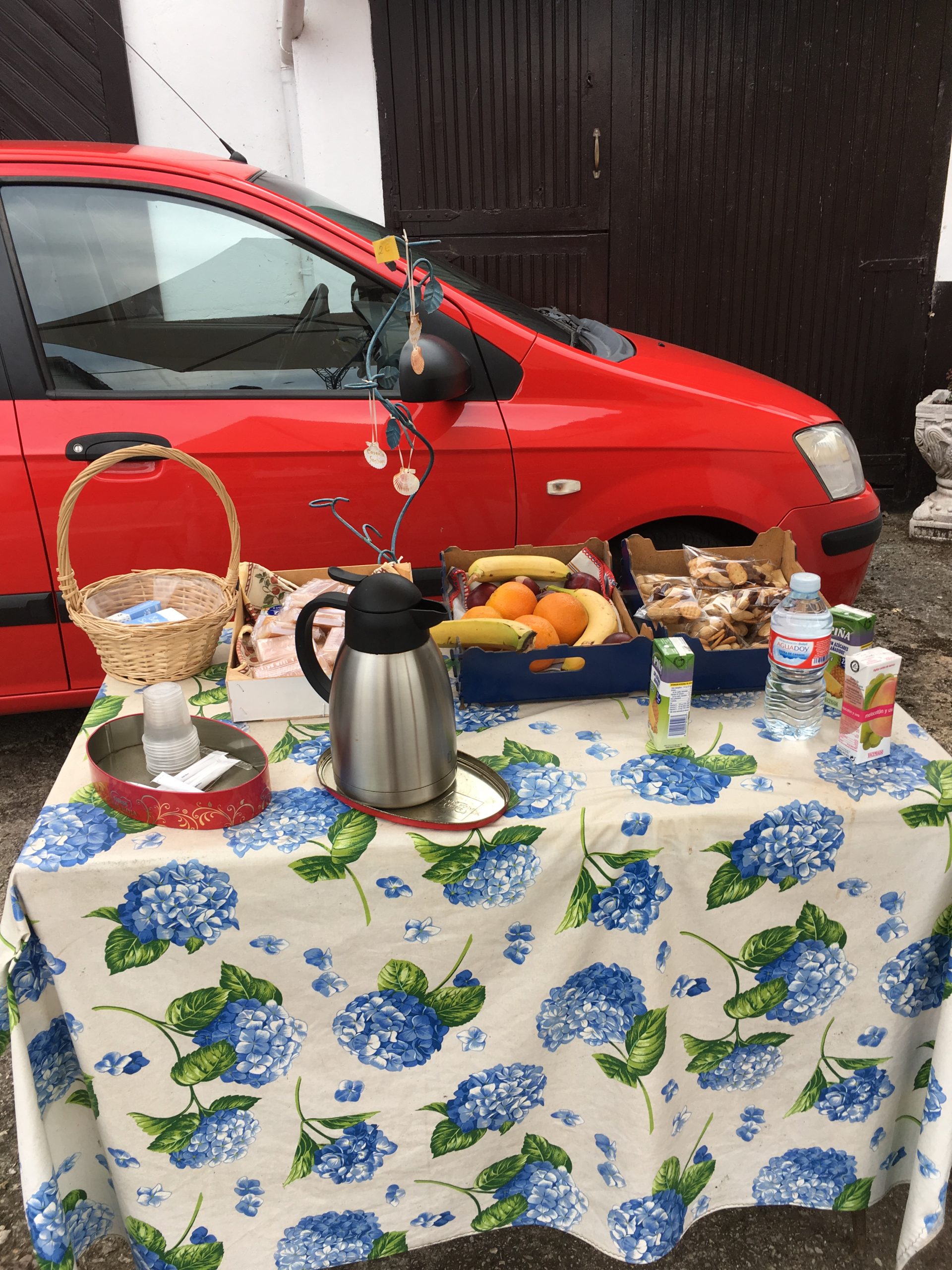
And the locals, and even the people passing by, are part of that experience as well. Everyone comes with their own story. Sometimes you’d see these small tables set up outside, offering snacks or coffee, and you just leave whatever donation you feel is fair. It’s a very honest system, and it brings back that human touch. Just people helping each other without overthinking it.
The simplicity of life
And that’s pretty much how it goes. There’s nothing overly special about it. If you’re looking for some kind of outstanding, mind-blowing experience, Camino is probably not it. But if you’re looking for time to just walk, reflect, let things happen, and you’re open to whatever comes your way, then it’s actually a really good way to spend your time. I do think Camino is something everyone could at least try. You don’t have to commit to a month or do 1000 kilometers. You don’t even need to do 500. Just go for a week or two. I’m pretty sure you’ll get something out of it.
For a few days, I was hiking with this Aussie couple in their mid-50s. They had ultralight gear and really knew what they were doing, so I ended up learning a lot from them about thru-hiking and the whole idea behind it. They kind of reassured me and confirmed that the Pacific Crest Trail was something I could actually do, which I’m still grateful for. So yeah, we ended up hiking together all the way to Santiago de Compostela for the last five days or so.
Made it
The real end
Reaching Santiago de Compostela after around 850 kilometers didn’t actually mean that much to me. It was nice to see the church, but the whole place was packed. A lot of people only walk the last 100 kilometers to get the certificate, so that final stretch is full of people. For me, it didn’t feel like the real end.
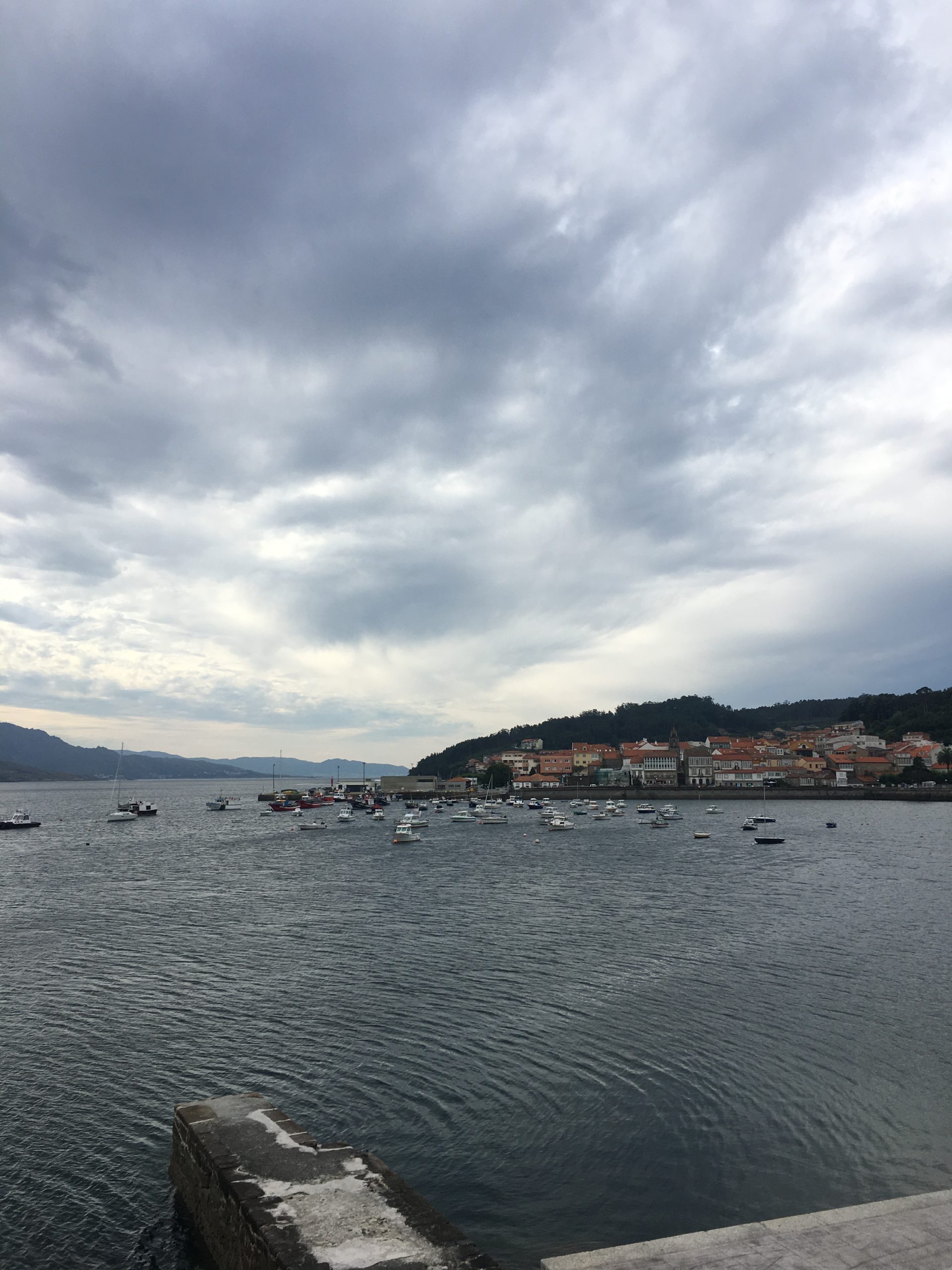
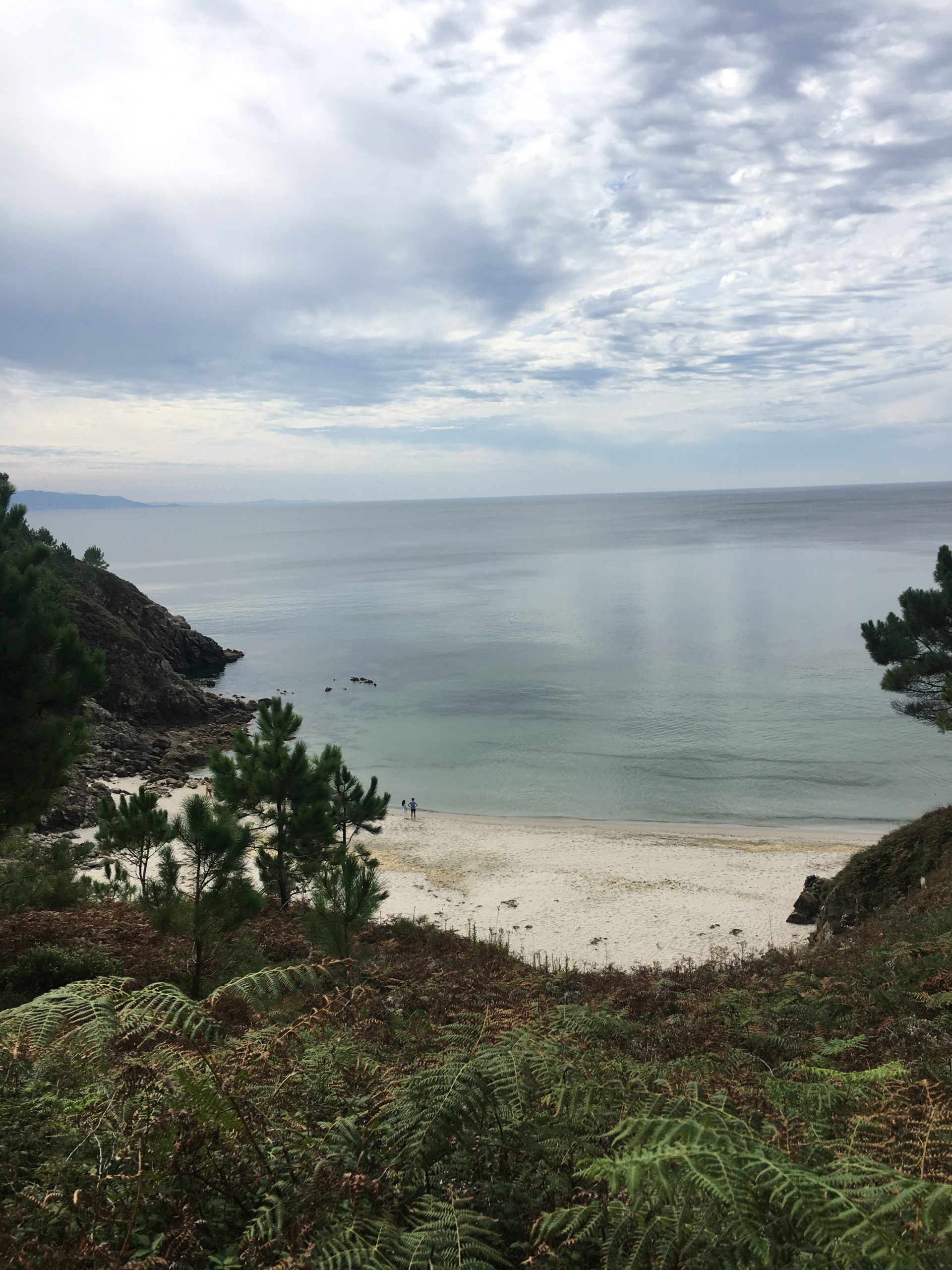
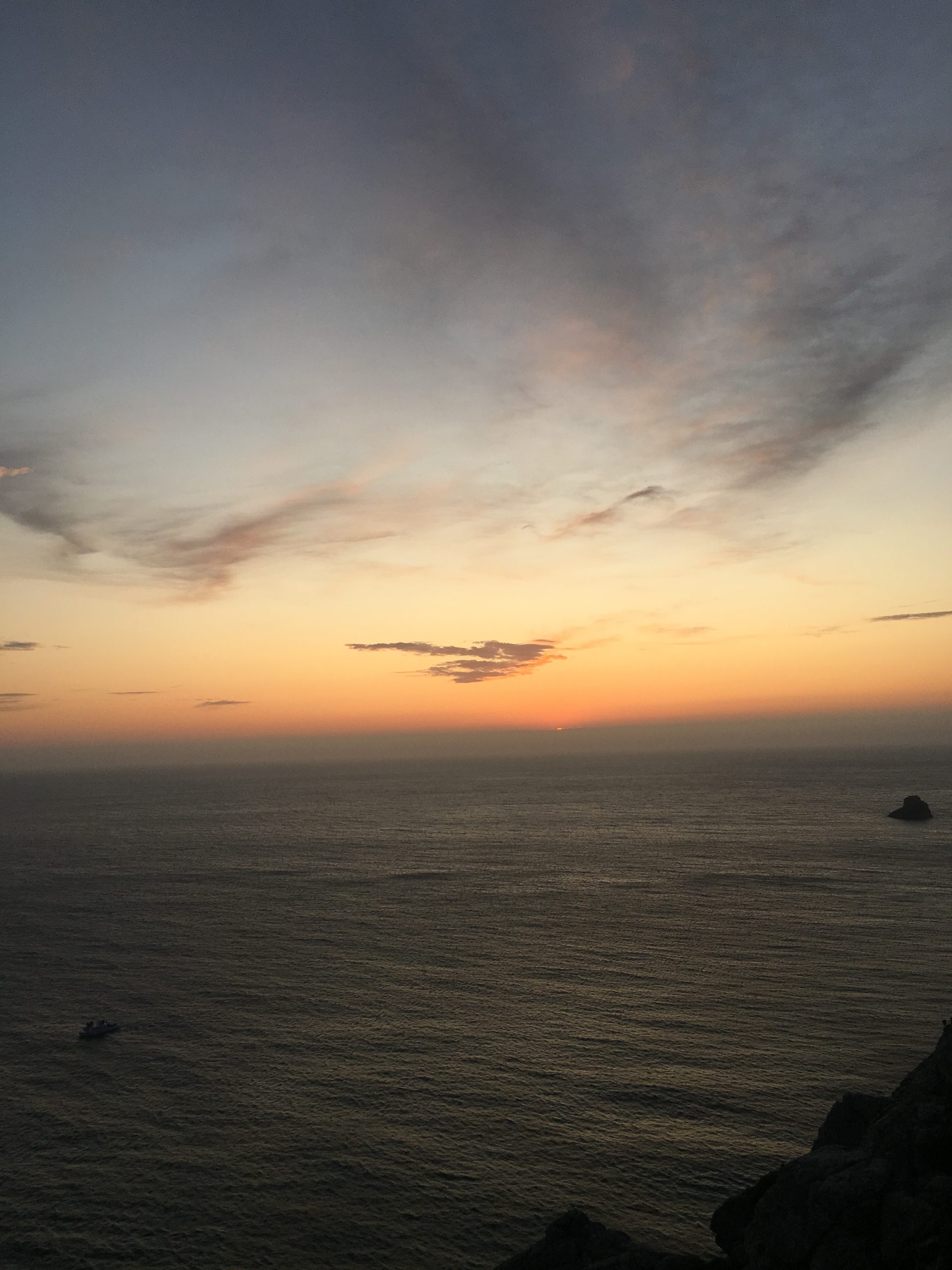
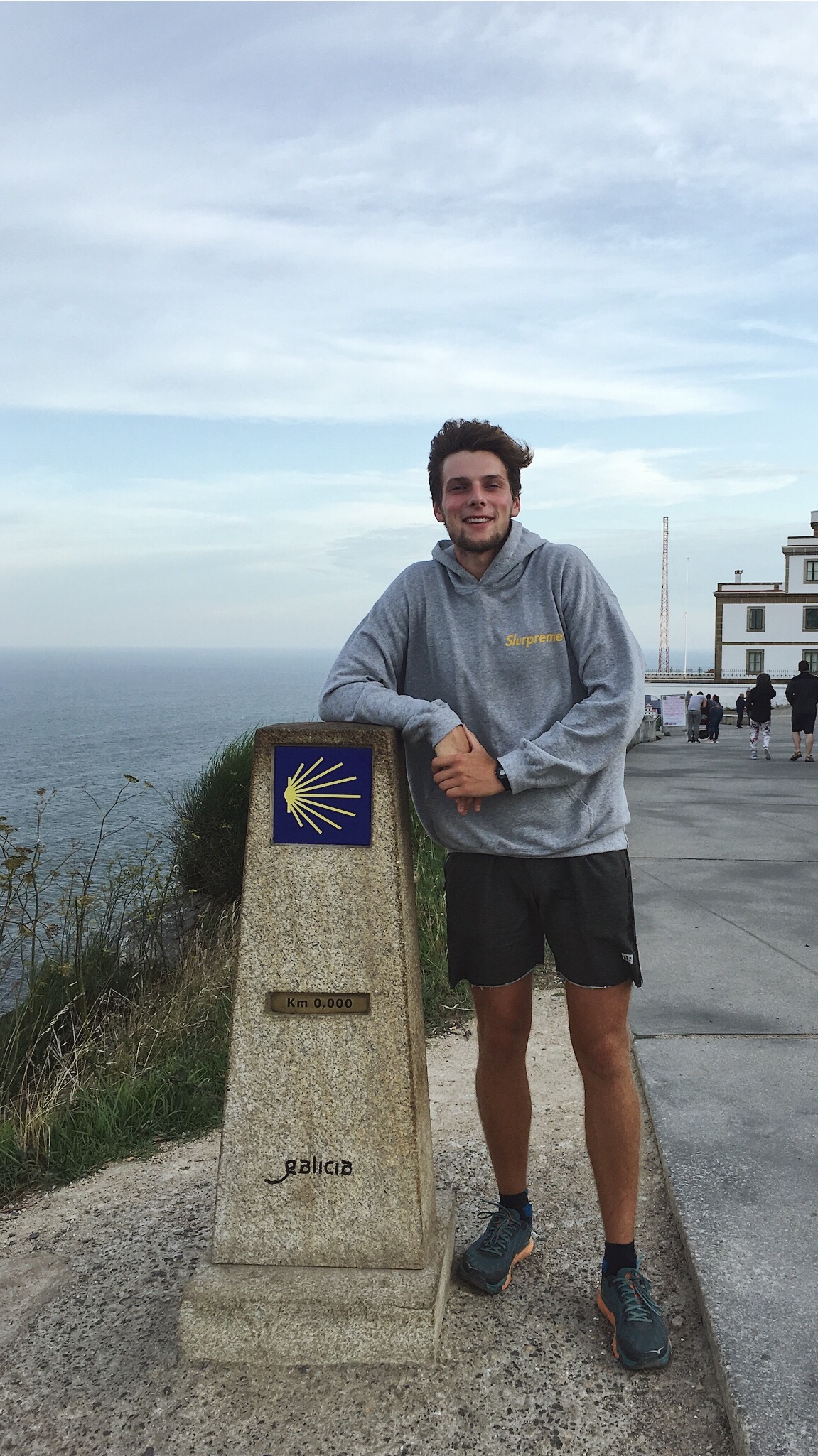
The real finish was Finisterra and Muxía. Those are small towns another three or four days further, right by the Atlantic. That part felt different. Less crowded, more raw, more like a proper ending. Walking all the way there and finally seeing the ocean… that felt like the real completion of the journey.
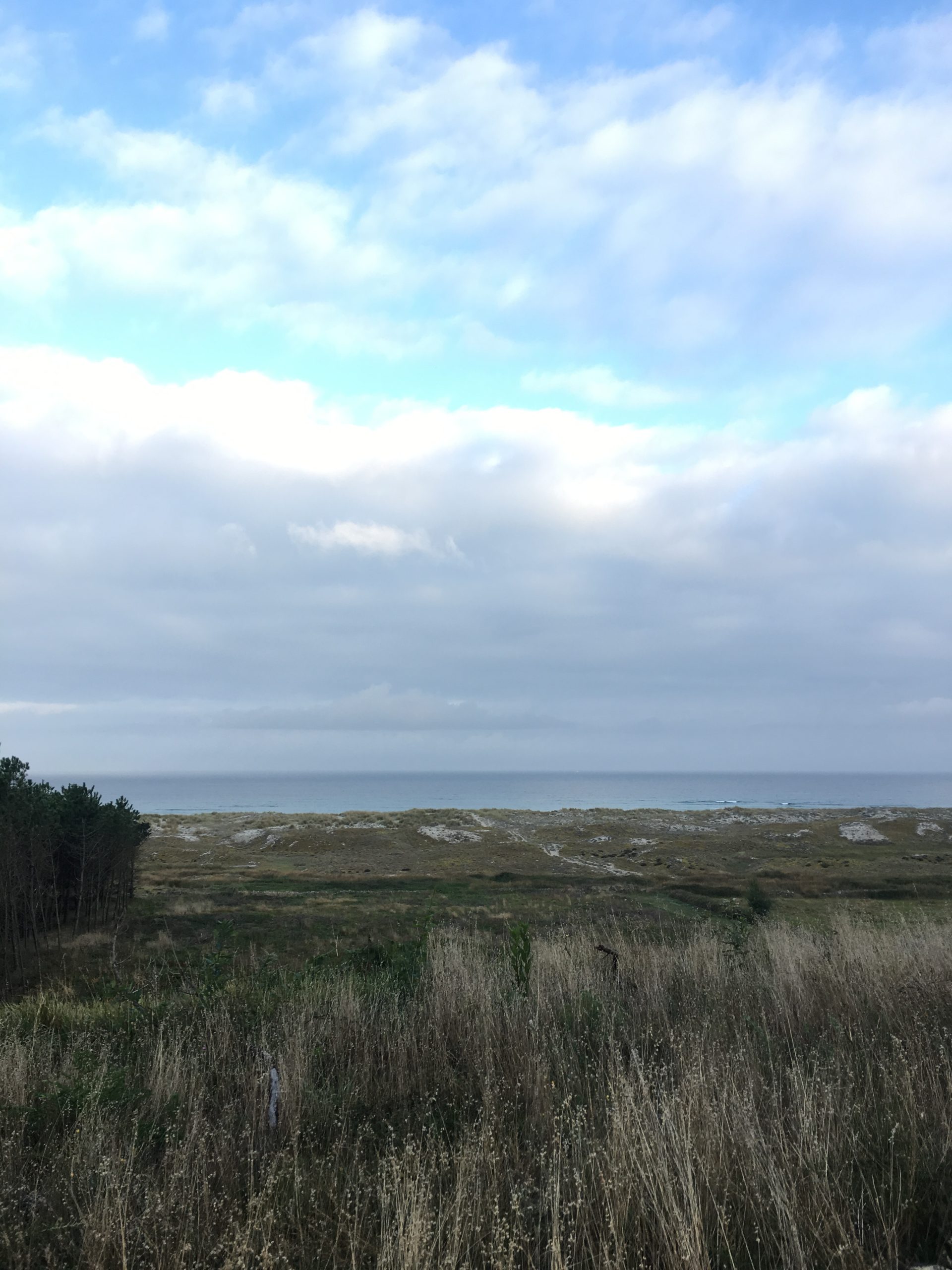
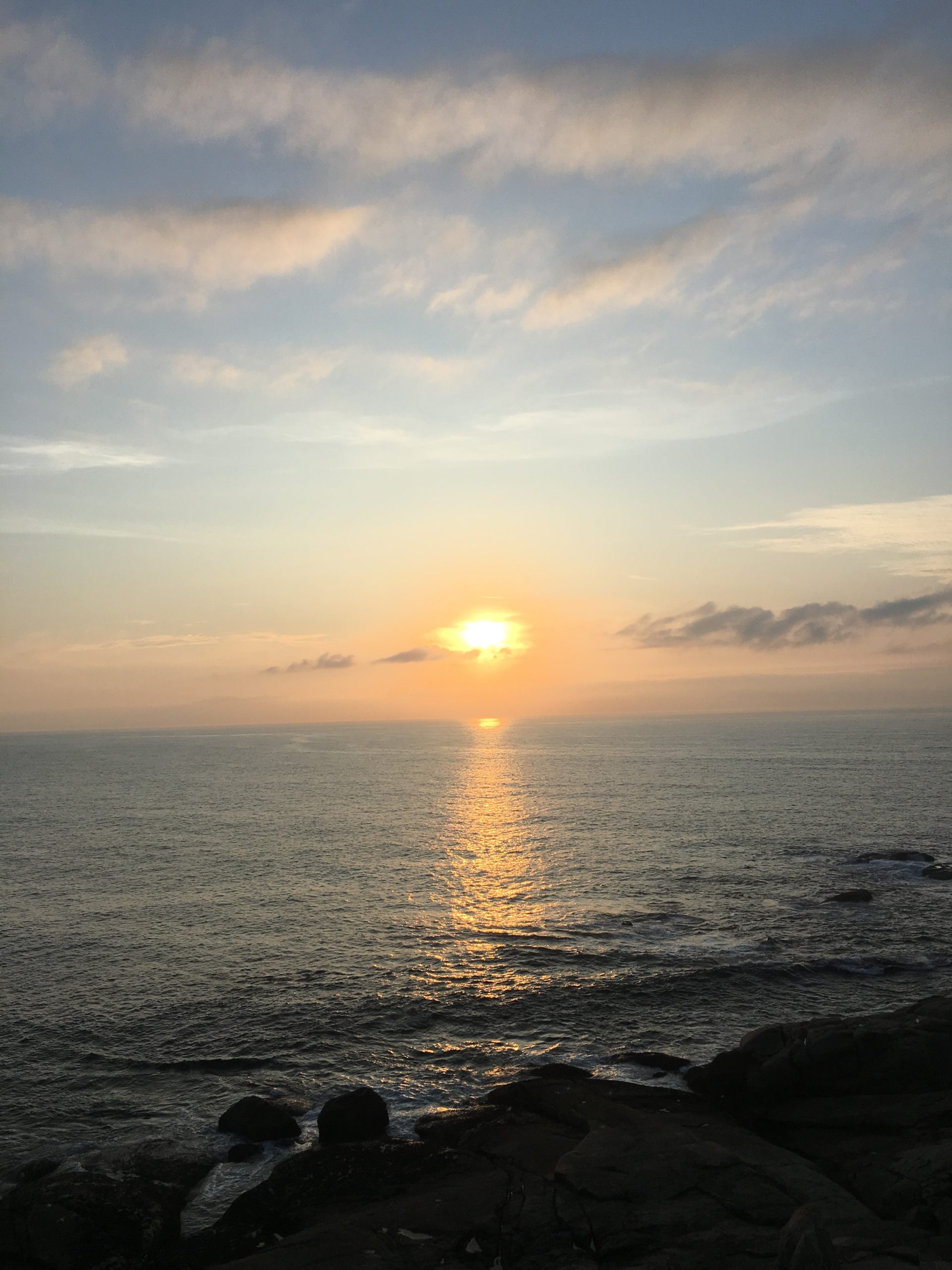
Camino 2019 – stats and cash
So basically, in four weeks, I hiked 916 kilometers, averaging just over 33 kilometers per day, which is a bit more than 20 miles daily. And that’s even with me slowing down toward the end because I had too much time before my flight back. That’s when I knew something was building. The machine in my legs was starting to come together. And I just wanted to keep going, keep hiking, move faster, and see how much I could actually cover.
Expenses on the Camino came out to 904€ in total: Accommodation was 246€, wine 105€, groceries 232€, eating out 309€, and miscellaneous stuff just 12€.
After finishing the Camino, I went back to Copenhagen for my second year of my bachelor’s. At that point, the idea was already there. I went on YouTube and watched around 20 episodes from Darwin on the Trail, already knowing that after I graduate, I’m going to hike the Pacific Crest Trail.
Camino Portugues and del Norte (2021)
So in 2021, I decided to finish the remaining part of the Camino del Norte and at the same time do the Portuguese route. I don’t have that many pictures or strong memories from that one but it was right after COVID, so things were a bit different.
We carried a tent and ended up camping probably 60 to 70 percent of the time because the albergues were limited to around 20 to 30 percent capacity. That made it harder in one way, but at the same time, camping made the experience feel a bit more wild.
There were also almost no people on the trail. Compared to 2019, it felt empty, very quiet.
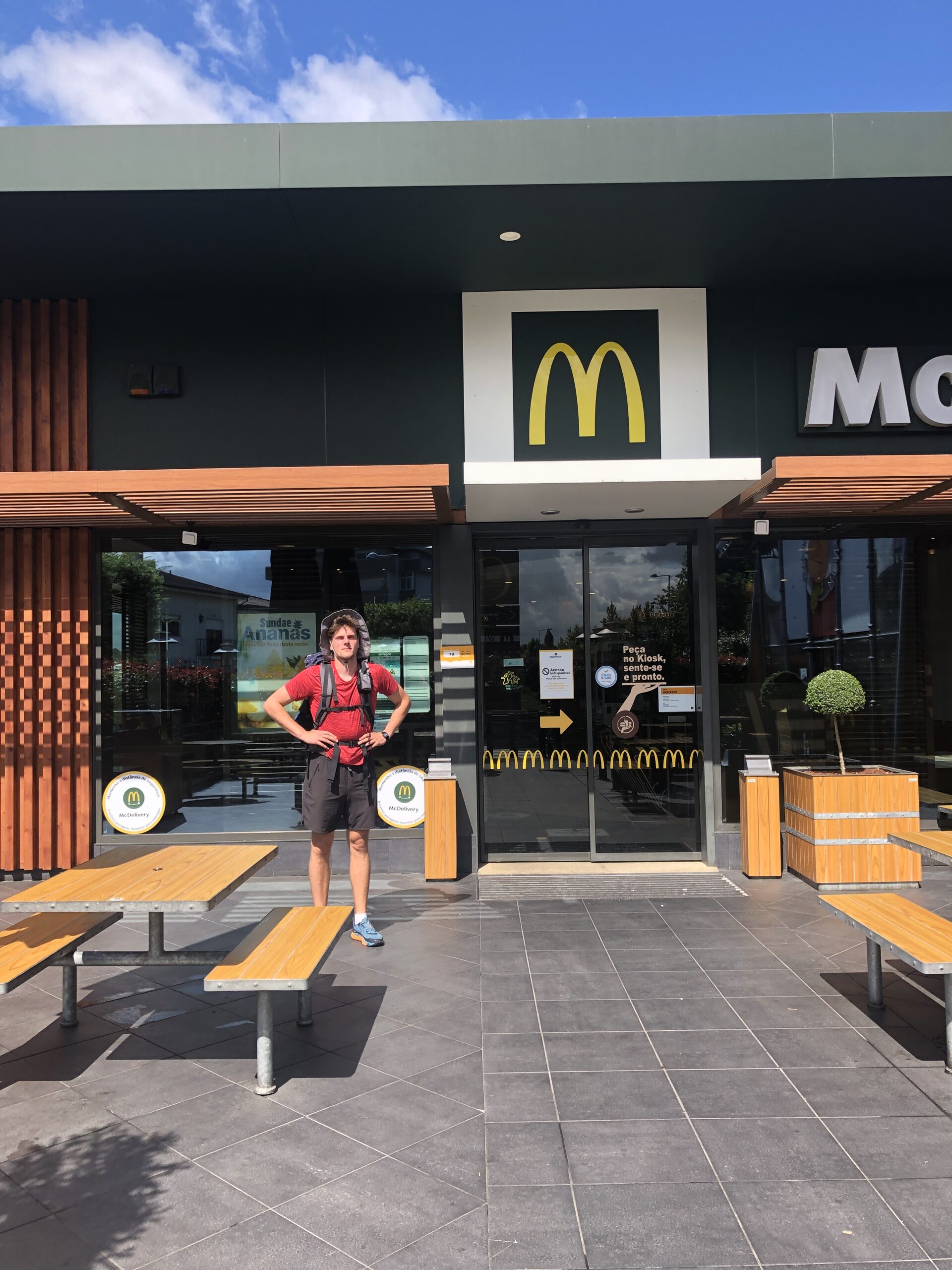
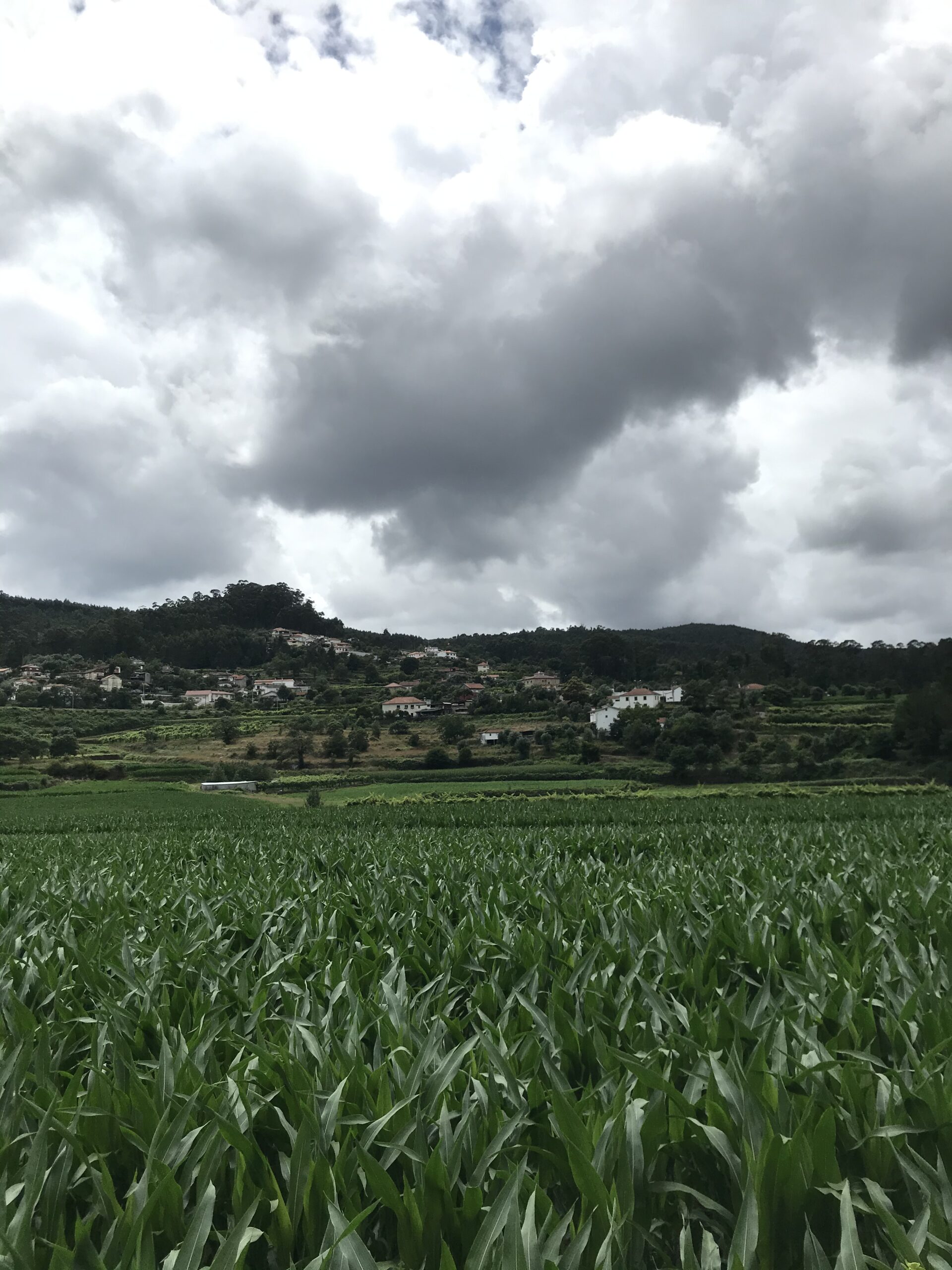
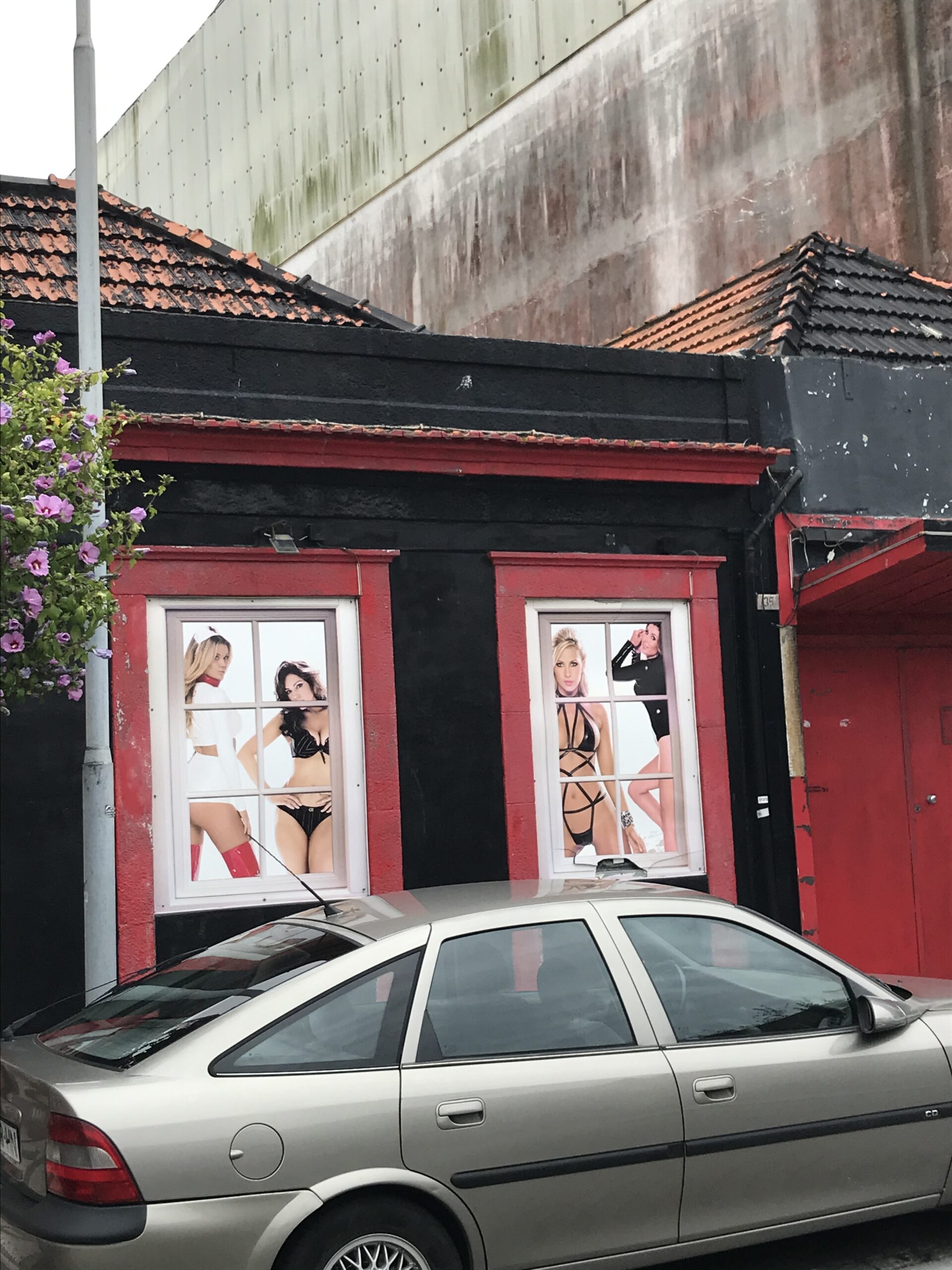
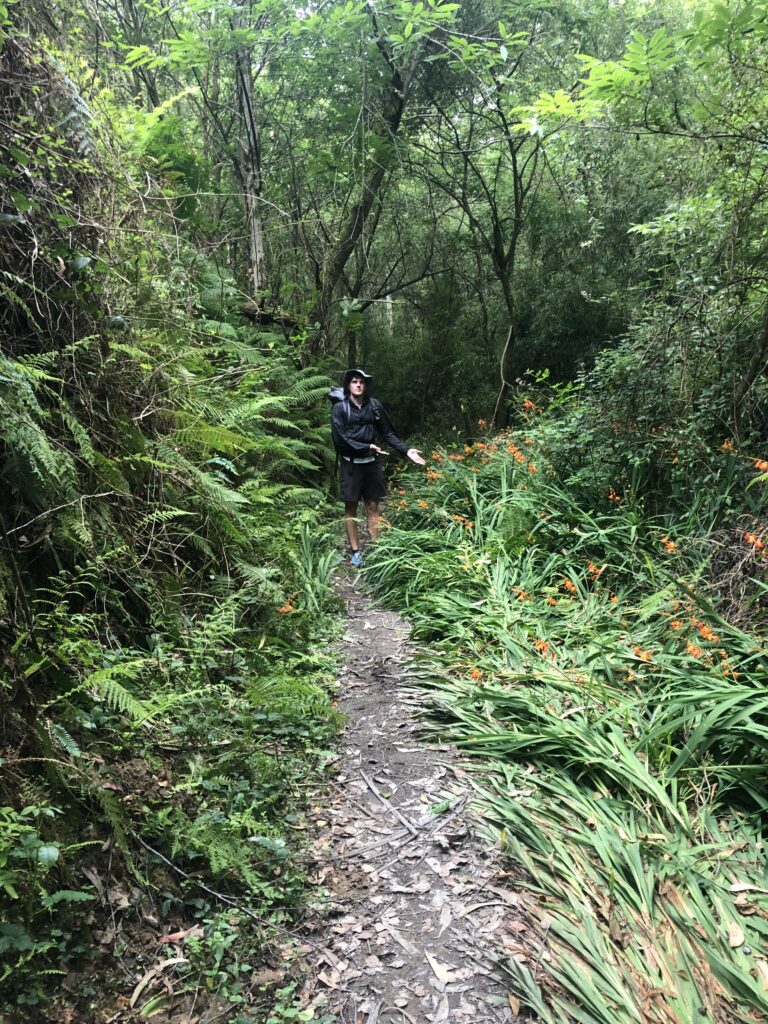
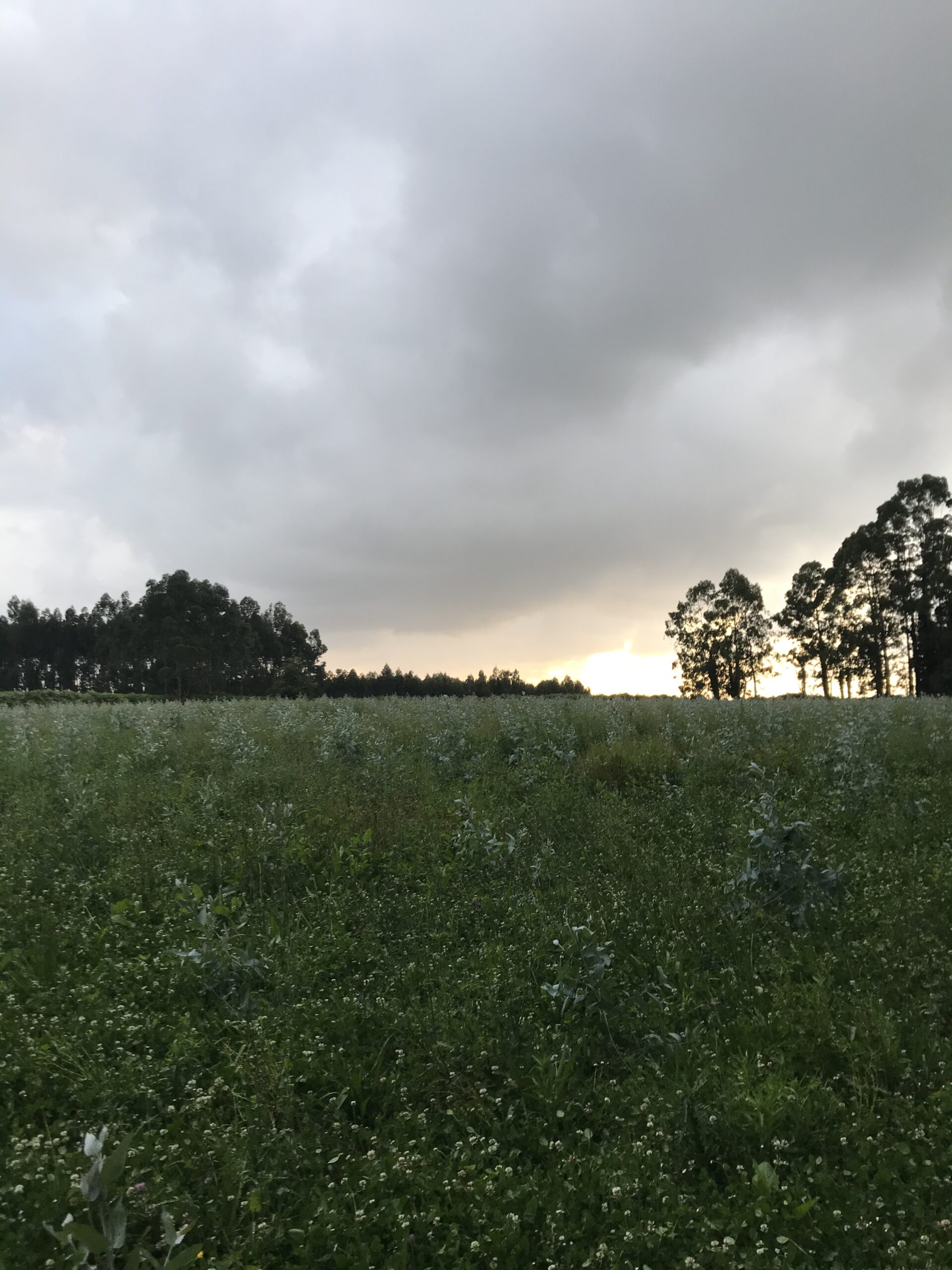
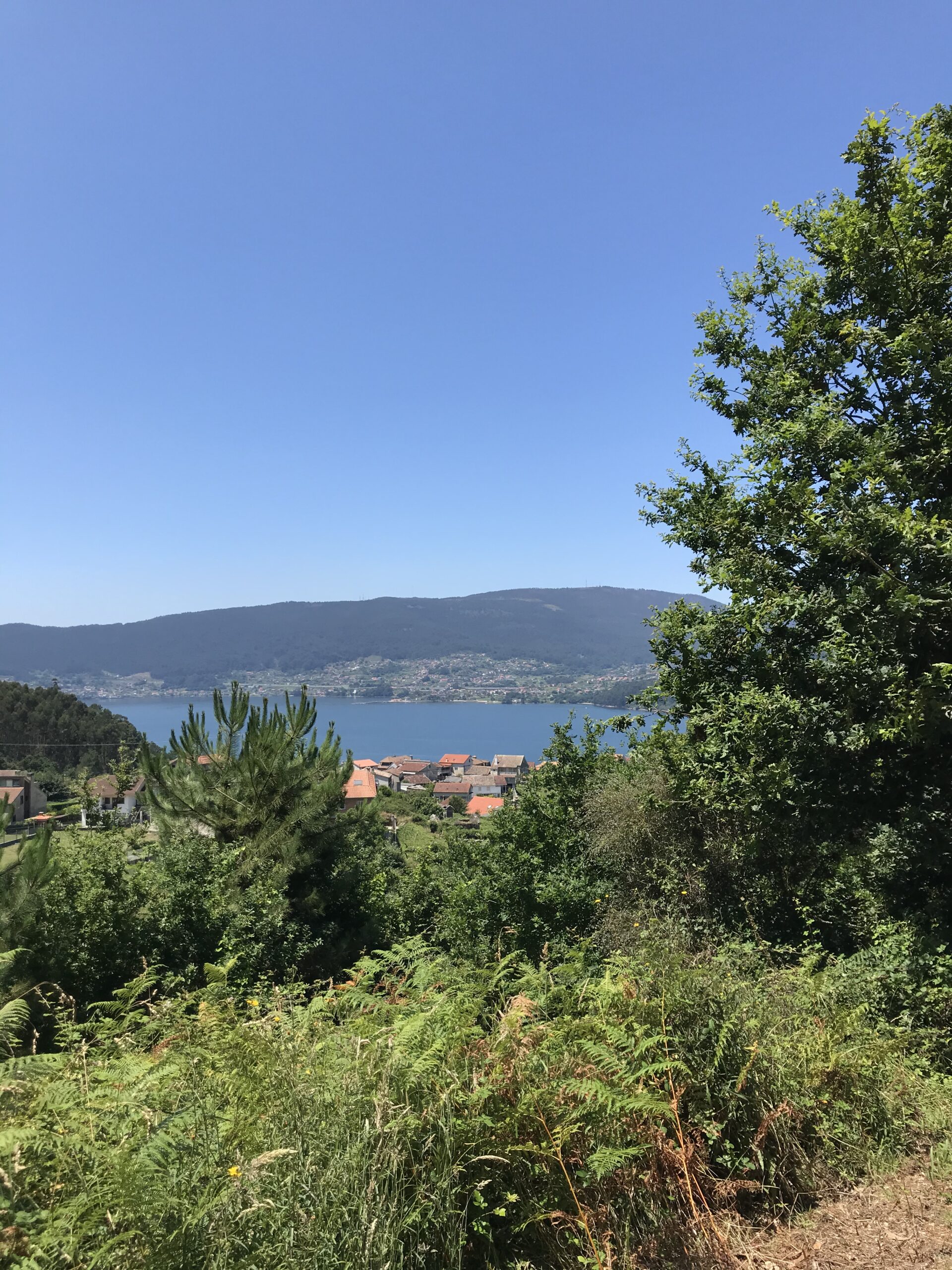
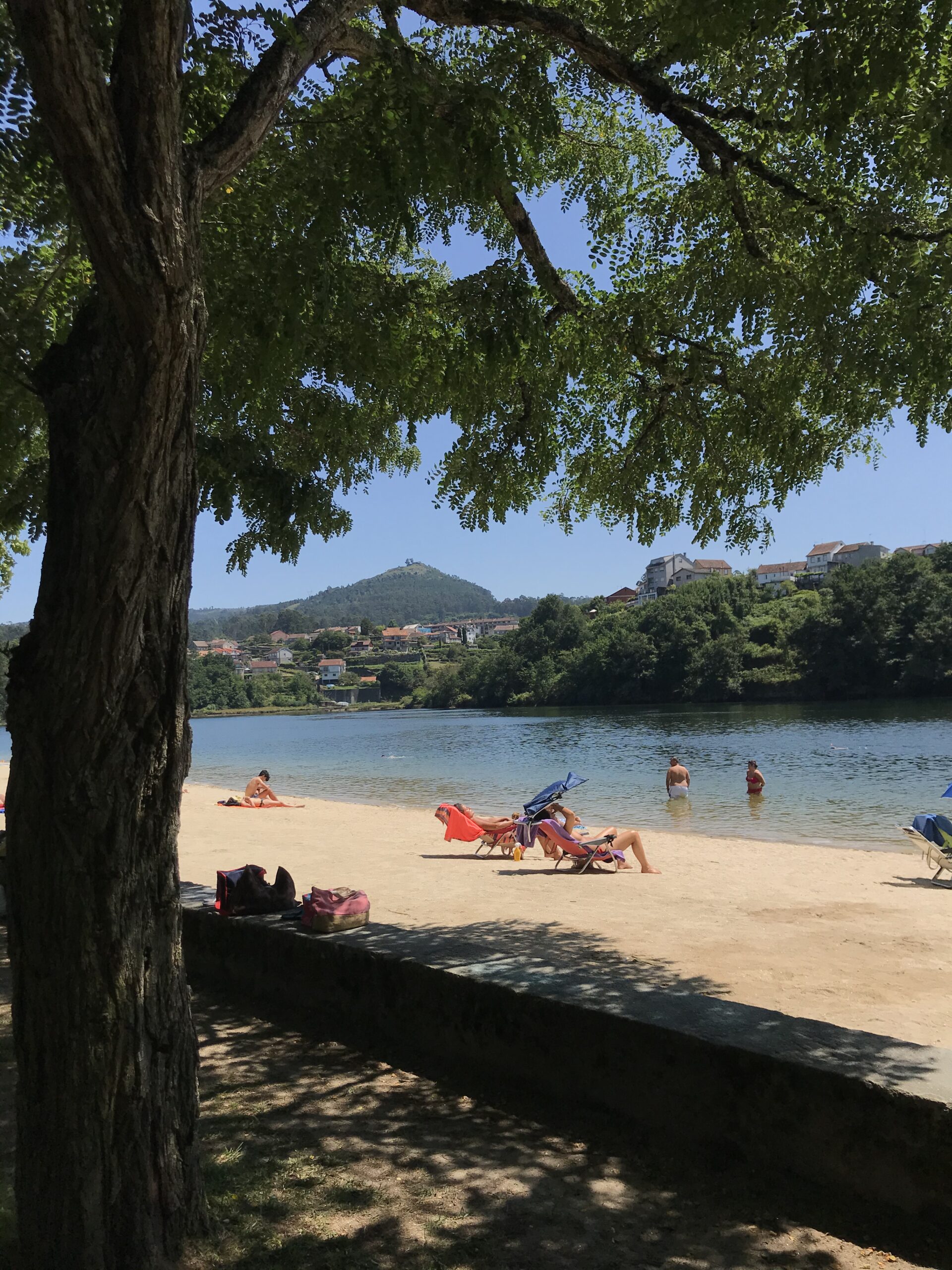
I just want to give a big shoutout to the Portuguese in general. Extremely friendly, kind, welcoming people. That’s exactly how it felt the whole time I was there, and I was really happy to experience that.
Dirtbags
Around that time, I started noticing that I actually liked this kind of lifestyle even more than staying in albergues. Just being a bit of a dirtbag, pitching your tent somewhere semi-legal… or fully legal, depending on how you choose to look at it.
It added a bit of that wild feeling to the whole experience. I don’t know, it just felt better. And I stuck with that approach in the trips that came after.
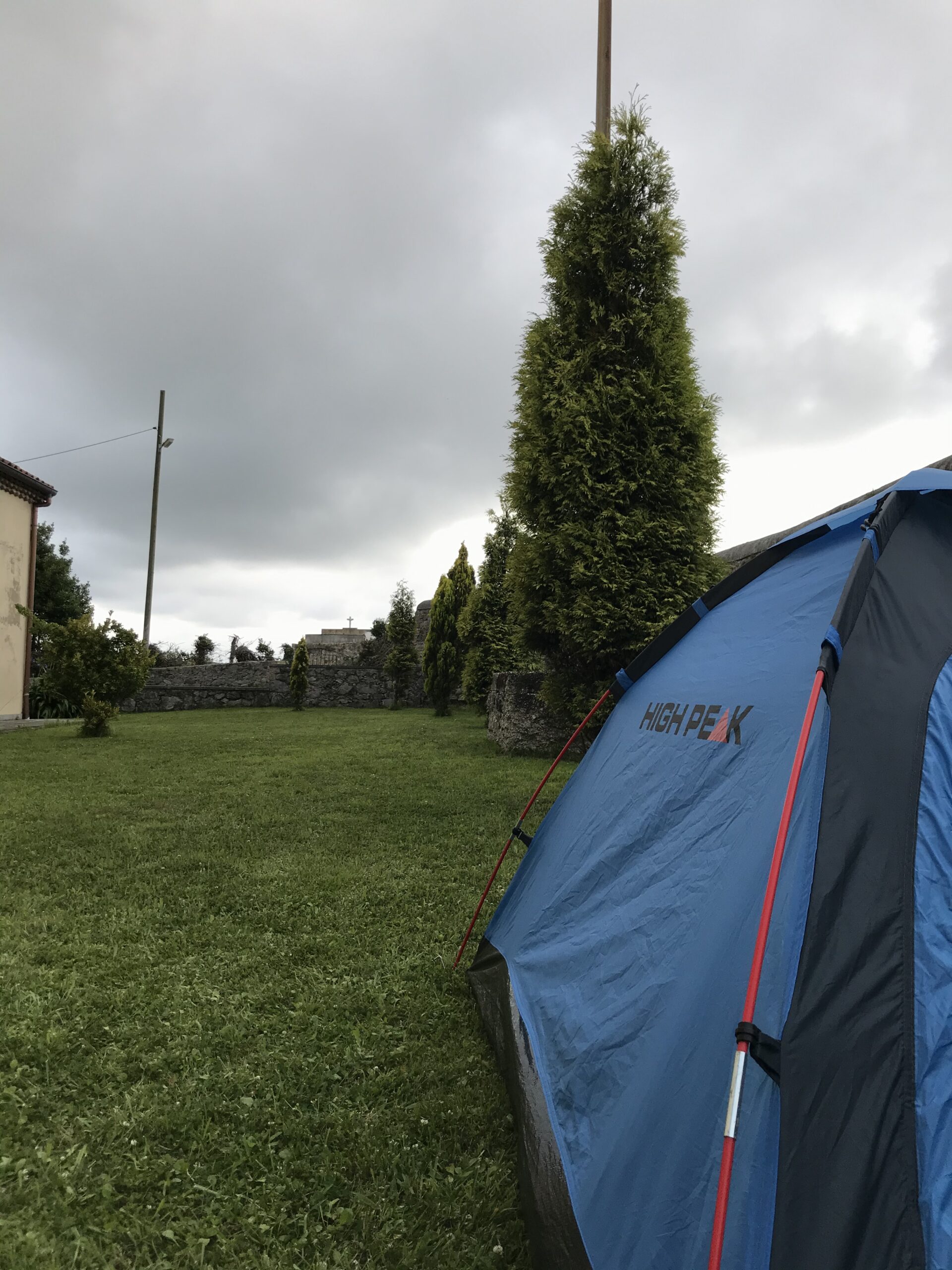
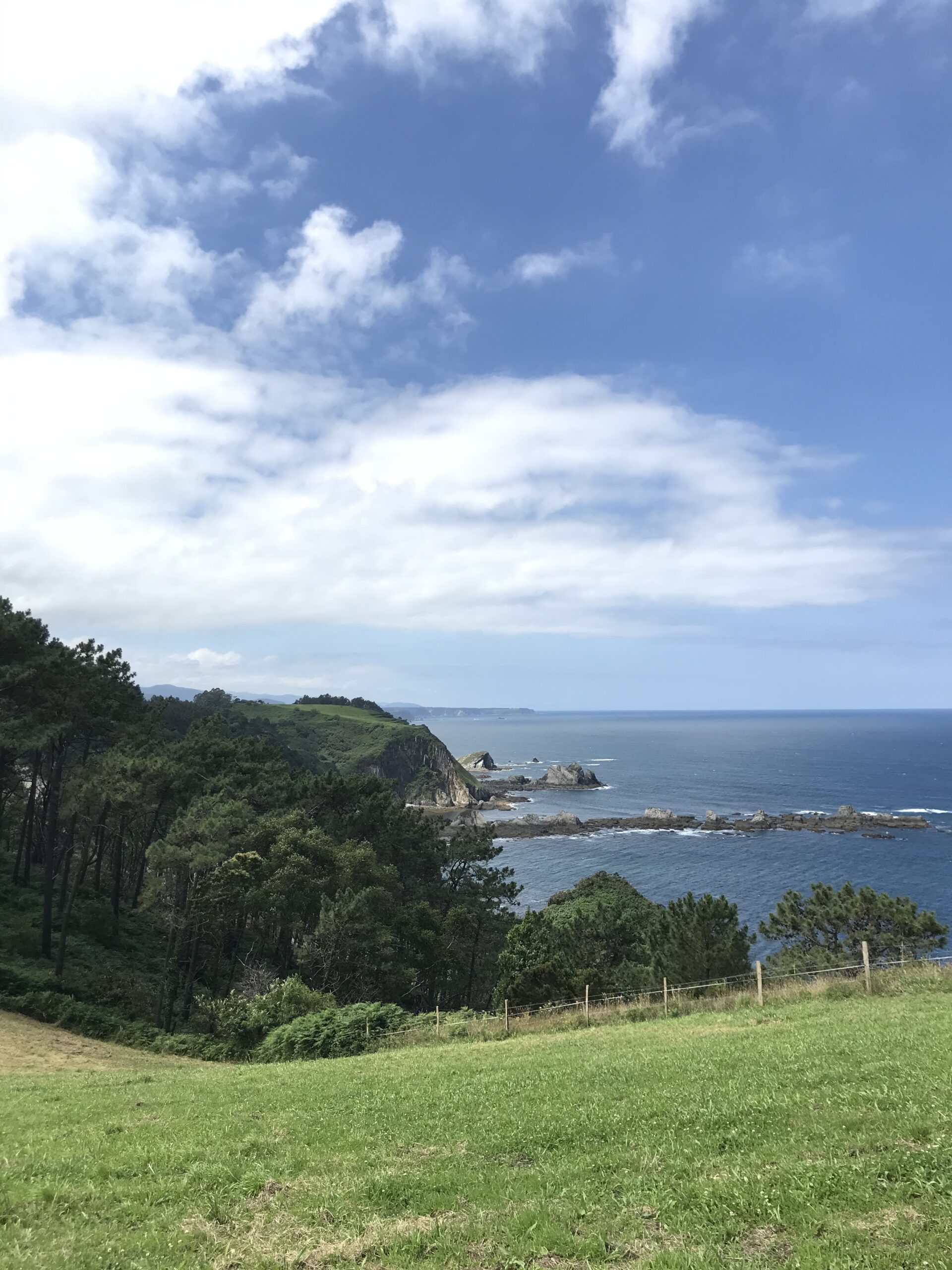
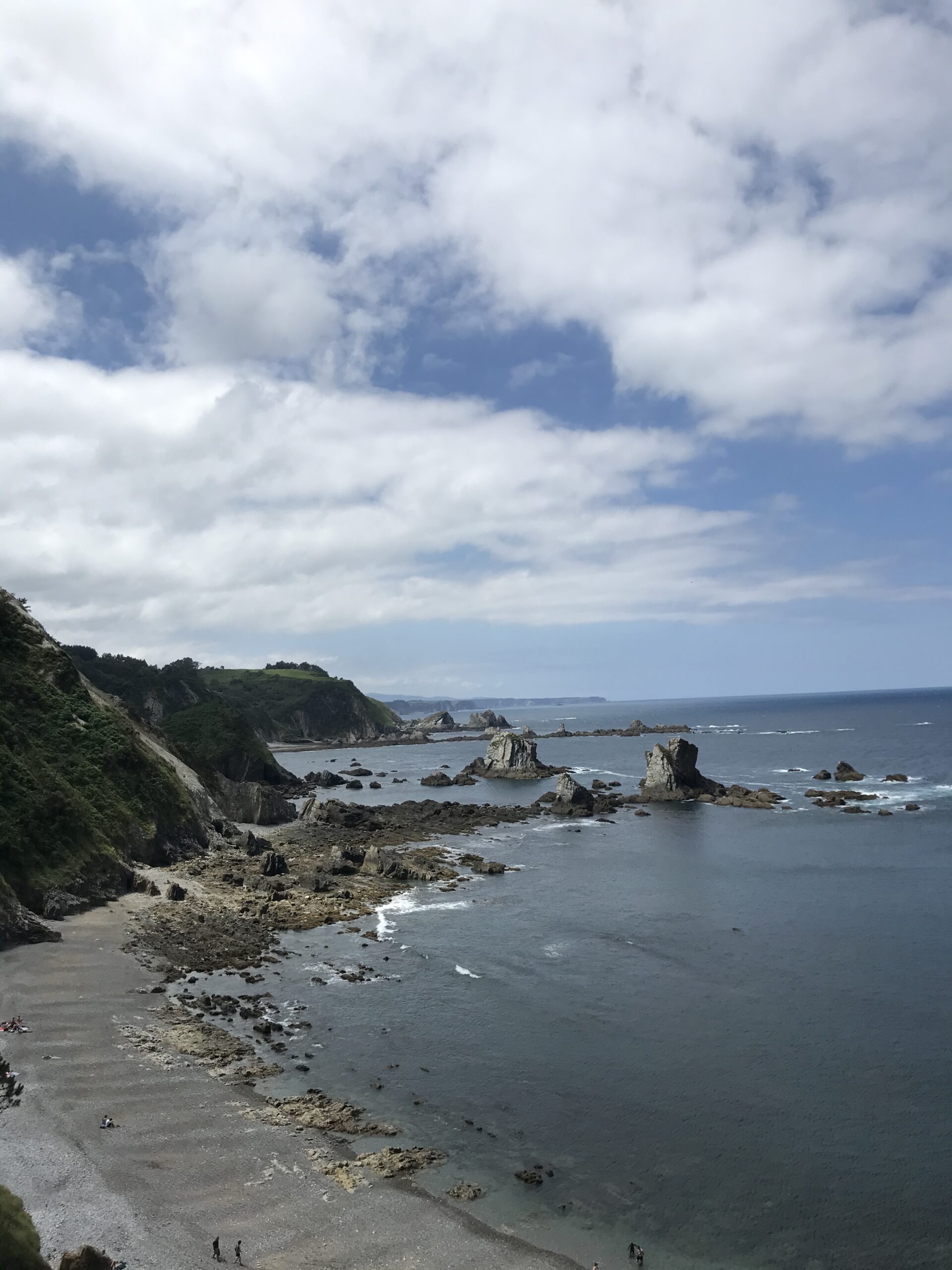
The second time on the Camino, we again made our way to Santiago de Compostela, then continued on to Finisterra and Muxía. In total, it was again close to 900 kilometers.
It was fun. I liked it. But more than anything, it just reassured me that the next step was clear. The next year, I’m going for the Pacific Crest Trail.
Exciting times. Very different. That’s where things really start to shift.